
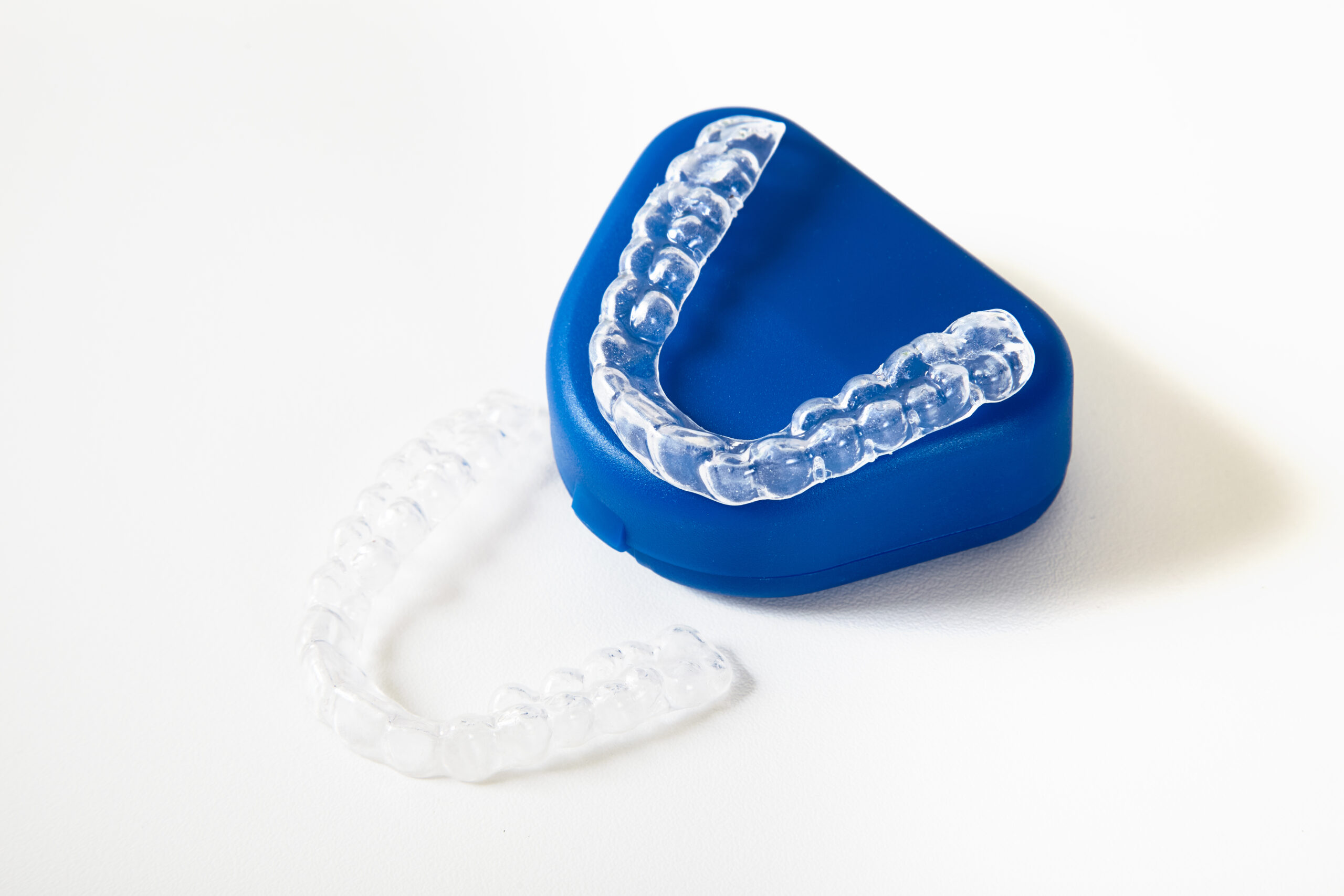
Clear aligners have changed how people straighten their teeth. They are discreet, removable, and easier to manage than traditional options. Because they fit so easily into an adult’s lifestyle, they are often seen as the treatment of choice.
However, many people do not consider that not all clear aligners produce the expected results.
Throughout our office visits, we frequently meet patients concerned about their discomfort with the final result of their treatment. Most of the time, this has nothing to do with the way that clear aligners were manufactured, but rather with daily lifestyle habits that may negatively influence or interfere with the progress of the treatment process.
At Clove Dental Riverpark, we prioritize helping our patients understand how daily habits can impact the expected outcome of using their clear aligners prior to and throughout the duration of their treatment.
The Role of Daily Wear Time
The most common reason for failure when using clear aligners is that patients do not wear them the recommended amount of time.
Daily use of clear aligners is expected to be worn 20-22 hours a day. By frequently removing and not replacing the aligners in a timely manner, delays can occur in tooth movement. Failure to wear your aligners for only a few hours a day can continue to add to the total amount of time lost each week from lack of wear.
While it is easy to overlook how much time was actually lost wearing your clear aligners, when treated properly and consistently throughout the entire course of treatment using clear aligners, you will save yourself time and the headache of having to start your treatment over.
Examples of inconsistent use of clear aligners in a patient’s mouth include:
- removing while snacking and not putting them back on.
- taking a long time to put back on after being removed.
- skipping wear completely during weekends and/or while traveling.
Switching Trays Too Early (or Too Late)
Each set of Aligners is designed for a particular stage of movement; if you change your tray too early or too late, you may not achieve your expected results with your clear aligners.
Some patients will switch to the next tray too early, through the belief that it will speed up their time in treatment. Others will wait to switch to the next tray because the tray is still “snug” in his or her mouth.
Both of these scenarios can result in unsatisfactory alignment progress.
Poor Fit and “Tracking” Issues
The clear aligners need to fit snugly over your teeth in order for them to work effectively; if they do not, you may have a “tracking” issue.
Although there are several reasons why you may not have a good fit.
- worn your aligners inappropriately.
- not using your chewies (as you were instructed).
- slight movement of your teeth.
A relatively small space between your tooth and the aligner can disrupt the entire alignment process.
If you notice something that isn’t correct during your treatment and think it will impact your alignment process, you should always address this issue as soon as possible.
Skipping Appointments or Check-Ins
When clear aligners are used, they must be continuously monitored by an orthodontist or dentist, so if you don’t make regular appointments with your orthodontist, you may not see any problems until later. By skipping appointments, you risk having-
- Your teeth are not moving as predicted.
- Attachments that hold the aligners on your teeth coming off.
- Problems with your bite being properly aligned.
If you do not fix these minor problems now, they may turn into much larger issues in the future.
By seeing your orthodontist on a regular basis, you will be able to make any necessary adjustments and keep your orthodontic treatment on track.
Eating and Drinking Habits
A common mistake that some patients with clear aligners will make is to wear their aligners when they eat and/or drink anything except for water. This can cause:
- Discoloration of the aligners.
- Food particles become trapped between the aligners and your teeth.
- An increased chance of having cavities develop.
Some patients also forget to brush their teeth before replacing the aligners in their mouths, creating an environment for bacteria to form on/around the teeth for an extended period of time.
While being very important throughout your aligner treatment is not optional, it can significantly affect your final results.
Expecting “Passive” Treatment
Not only do many people believe that clear aligners will work by themselves without any work on the patient’s behalf, they simply will not.
Unlike fixed braces, which do not require any effort by the patient, alignment relies on the patient’s commitment to keeping up with their movements.
Using clear aligners has a lot to do with-
- Following the instructions for use
- Being consistent in cleaning your aligners
- Keeping all of your appointments
- Reporting concerns to your dentist in a timely manner
When all of these procedures are being followed, the results come out as expected and are much easier to predict than not following the procedures.
Lifestyle Mismatch
Not everyone who needs treatment will qualify or want to use clear aligners.
For individuals who are very busy, tend to eat often during the day or have difficulty maintaining a schedule will not be able to maintain their commitment to clear aligners.
In these cases, looking at other treatment options under the supervision of an Orthodontist may be more beneficial.
At Clove Dental Riverpark we will always consider your lifestyle before making a recommendation for the use of clear aligners because
Final Thoughts
If you use your aligners according to their directions, they work perfectly well; otherwise, most common failures are not caused by the actual system itself but are caused by poor habits in your daily life that may initially seem insignificant.
Clear aligners will produce both comfortable and long-lasting results when used consistently and with proper guidance.