
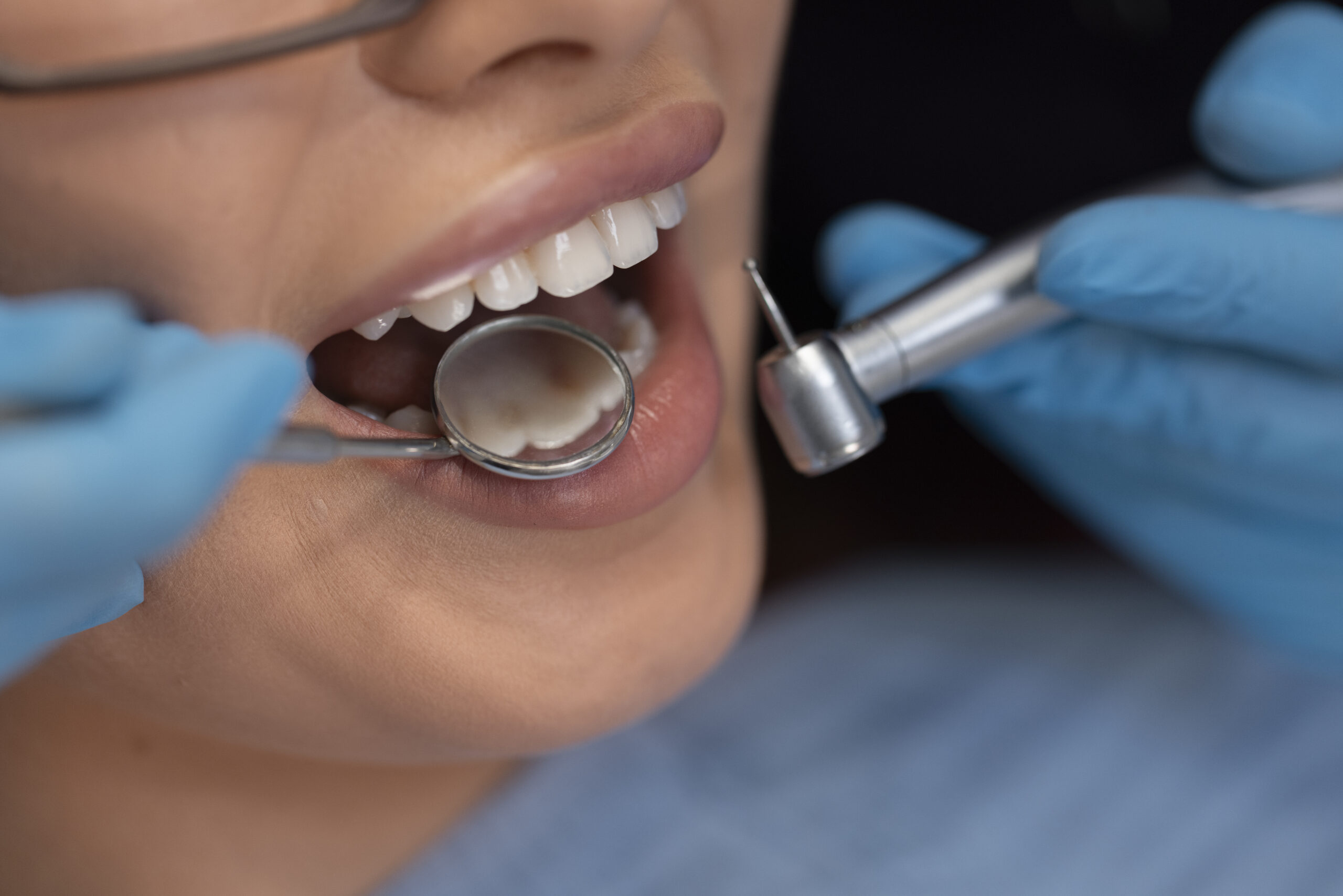
Getting a cavity filled feels like the problem is fully solved. However, this is not the case as many times a new cavity develops around an existing filling, even though you brush and floss your teeth properly every day.
The confusion and frustration that can come from the recurring cavity can be due to the fact that someone does good oral hygiene and cannot understand how a cavity could have reformed.
To understand this you need to know how teeth and dental fillings age and how they work together. Tiny changes in the form of the tooth & the filling and what you eat or drink have a lot to do with why this happens.
What Are Recurring Cavities?
Recurring cavities (also called secondary cavities) are cavities that form around or underneath already-done dental fillings.
A new cavity may grow in the same area where the original cavity was and this does not always mean that the filling failed but it more means that the tooth structure around it has changed due to the tooth and/or filling aging.
Also, recurring cavities may be more challenging to identify because they can form underneath or around already-done restorative work.
Why Cavities Form Around Fillings
There are a number of reasons that decay may form around fillings, even if you have good oral hygiene.
Tiny Gaps Between Tooth and Filling
Fillings will shrink over time from wear, which can result in a tiny gap between the filling and the tooth. Food particles and bacteria can enter these gaps and encourage decay.
Wear and Tear Over Time
Fillings are designed to be strong, but are not meant to last forever. Chewing, grinding, heat and temperature changes all take their toll on the filling.
Hard-to-Clean Areas
The edges of fillings can be more difficult to keep clean than smooth tooth surfaces, so plaque can build up at the edges of the filling even if the rest of your teeth are brushed regularly and flossed sufficiently.
Changes in Tooth Structure
Over time, natural teeth can shift. This shift can change how well the fit is between your filling and your tooth, allowing bacteria to reside in the newly created gaps. These shifts are gradual so that you may not notice that cavities are developing.
Diet and Snacking Habits
Frequent snacking and eating habits will increase the chances of developing decay if the snacking foods contain sugar or acid.
Signs You Should Watch For
Although you may not have pain or other symptoms of recurring cavities, there are some signs that can indicate that a filling may need to be evaluated. These signs include-
- Sensitivity near a filled tooth.
- A rough or uneven feeling around the filling.
- Discoloration near the edges.
- Occasional discomfort when biting.
If you notice any changes in these areas, it is always better to get checked.
How to Reduce the Risk of Recurring Cavities
While not every cavity can be avoided, there are some things you can do to reduce your chances of developing one again.
Focus on Cleaning Around Fillings
Make sure to pay close attention to the area where the filling meets the natural tooth.
Floss Daily
The only way to correctly remove plaque in areas that brushing alone cannot access is by using a piece of floss.
Limit Frequent Snacking
If you limit your sugar exposure, you give vulnerable spots of teeth a chance to protect themselves from decay.
Attend Regular Check-Ups
Regularly attending your visit to your dentist will allow them to monitor the condition of all of your dental fillings and help identify early signs of deterioration.
Address Grinding or Clenching
Using a nightguard can help prevent further damage to your teeth from grinding while helping to protect your existing dental fillings.
Why Good Hygiene Alone Isn’t Always Enough
Even if you maintain excellent oral hygiene, it does not guarantee that you will not experience tooth decay.
Several factors cause your dental fillings to last longer, including:
- The age of the filling.
- Natural changes in the tooth structure.
- Everyday wear and tear.
Final Thoughts
Having recurrent cavities in or around your dental fillings can be an unexpected surprise, especially if you’re taking good care of your teeth.
But most times, recurrent cavities are attributed to slow gradual changes that happen as time goes by.
Understanding the different factors that contribute to filling rebuilds can help you to be proactive about your oral health.
If you provide the proper care and time required, you can continue to keep your teeth healthy and strong for many years to come!