
A filling fixes a tooth but it doesn’t last forever.
Several patients think that after a cavity is treated, the issue has been resolved permanently. As a matter of fact, fillings age in the same way as natural teeth. It is not about whether they will last forever but about the duration that they last and when they need to be checked.
Having dental fillings in Riverpark, it is important to know how long they can last, and what to watch out for to prevent more serious problems in the future.
How Long Dental Fillings Last
The durability of a filling is determined by a number of factors.
On average-
- Fillings made with composite (tooth-colored) resin may take up to 5-10 years.
- Smaller fillings can be pressured by larger fillings resulting in a shorter life.
- Low-stress fillings that are smaller can be longer-lasting.
However, these are broad ranges. In the case of patients with dental fillings in Riverpark, a real lifespan is reliant upon habits and oral conditions as opposed to the material employed.
Why Fillings Don’t Last Forever
Fillings are put under daily stress.
They are exposed to-
- Chewing forces
- Food and drink temperature variations.
- Slow erosion of the sides.
Even properly placed dental fillings in Riverpark may over time form micro-fissures or be pressed out. This is not that they died, it is just that they have come to the end of their natural life.
Factors That Affect How Long Fillings Last
All fillings do not wear out equally.
They last long based on-
- Position of the tooth (back teeth wear faster)
- Size of the filling
- Grinding or biting.
- Daily oral hygiene
Whenever patients have regular treatment, the dental fillings in Riverpark tend to be more lasting and effective in the long run.
Early Signs a Filling May Need Replacement
The vast majority of fillings do not fail overnight but indicate it initially.
You might notice-
- Biting or eating Sensitivity.
- An irregular or bumpy sensation on the tooth.
- Increased food stagnation.
- A little difference in the feel of your bite
These are the initial signs that can be overlooked but they can usually mean that your dental fillings in Riverpark are beginning to wear out.
More Obvious Warning Signs
The signs become more evident as the wear goes on.
These may include-
- Observable cracks or chips in the filling.
- Black lines or discolouration at the edges.
- Pain when chewing
- A loose or moving filling.
At this point, dental filling replacement in Riverpark are more crucial to avoid any further harm to the tooth.
What Happens If You Delay Replacement
The problem of not replacing a worn filling may result in larger problems.
With gaps, bacteria may be drawn into the space between the filling and the tooth. This can cause-
- New decay beneath the filling.
- Loss of tooth structure.
- Greater risk of fractures.
Eventually a simple replacement might also need more comprehensive treatment. This is why it is important to observe dental fillings in Riverpark.
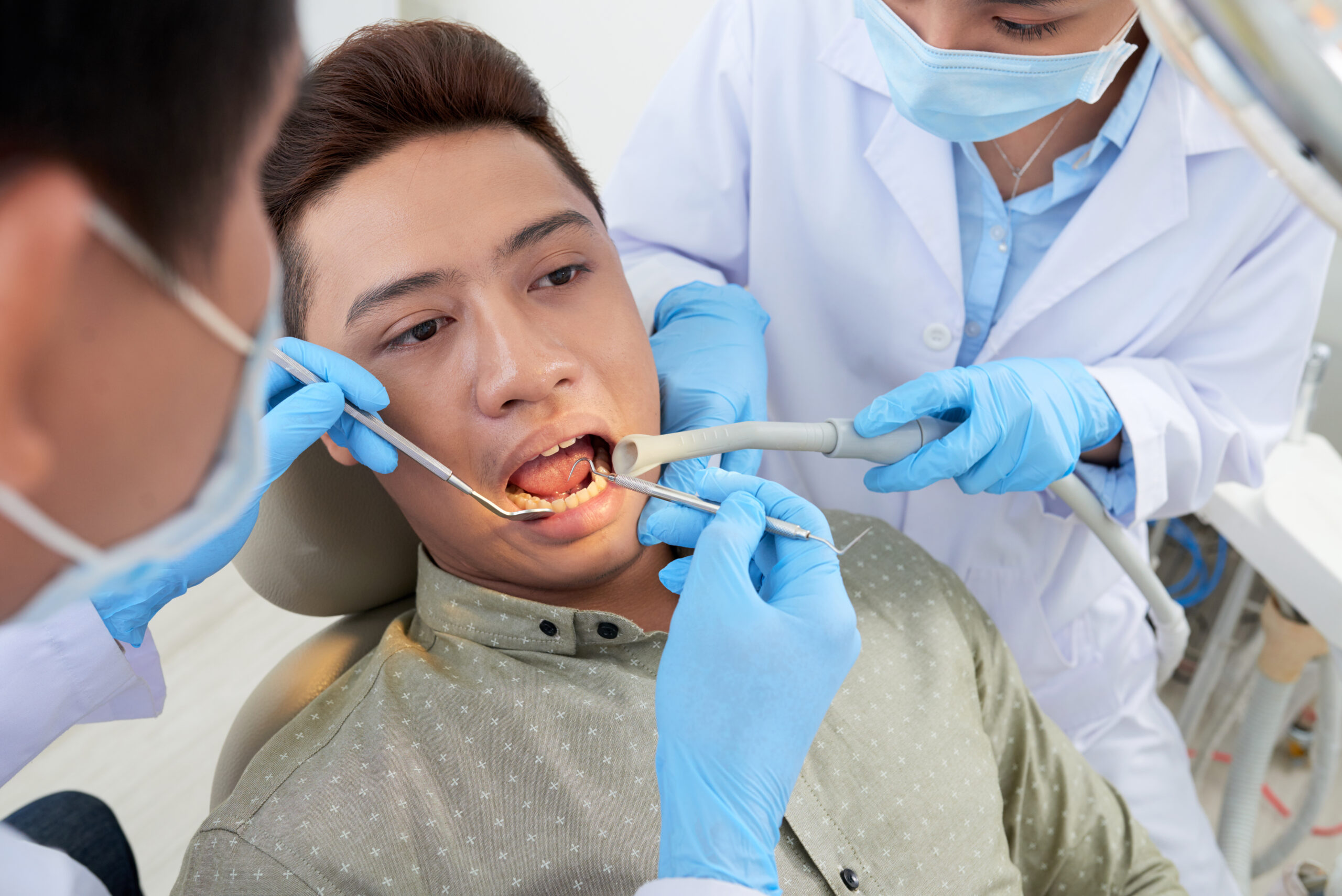
How Dentists Check Filling Condition
Symptoms do not necessarily have to come.
Dentists evaluate-
- The covering between the tooth and filling.
- Indications of wear or decay.
- Bite force and positioning.
These checks can assist in determining when dental fillings in Riverpark will be at the end of their lifespan-in most cases when you will not feel any pain.
How Clove Dental Riverpark Approaches Filling Longevity
We have specialized in placement and long-term follow-up at Clove Dental Riverpark.
We plan to do dental fillings in Riverpark and our strategy consists of-
- Prudent pre-prepared evaluation.
- Applying materials depending on the work of the tooth.
- Periodic follow-ups to monitor wear.
This assists in making sure that fillings can be as long-lasting as possible and can help avoid any surprises.
Conclusion
Dental fillings are meant to be durable but not permanent.
Knowing the average duration they take and the warning signs can enable you to prevent more complicated treatment. It is not necessarily about the placement of a filling, but about keeping it.
With dental fillings in Riverpark, when properly checked and replaced as required, your teeth could be made strong and functional many years to come.