
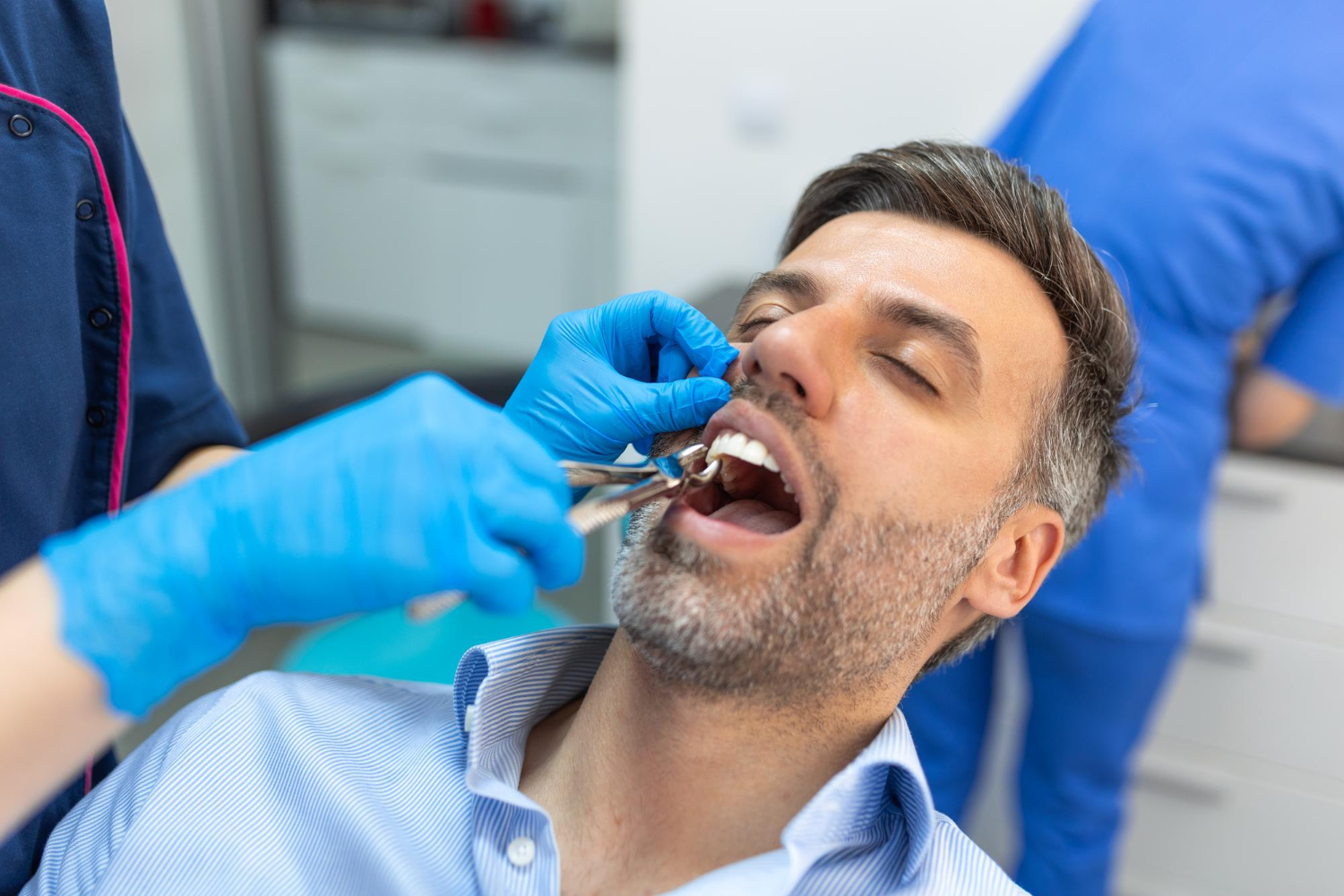
Most patients expect an extraction appointment to end the moment the tooth comes out. Sometimes it doesn’t quite work that way, and instead of heading home right after, a small amount of grafting material goes into the empty socket before anything gets closed up.
This catches people off guard almost every time, mostly because nobody explains beforehand why an empty space would need anything added to it at all. Riverpark tooth extraction appointments sometimes include this extra step, and understanding the reasoning behind it makes the whole thing feel far less unexpected.
What Happens to an Empty Socket Without Intervention
Once a tooth is gone, the bone that used to support it starts losing volume almost immediately. This isn’t a slow, distant concern. Noticeable changes can begin within the first few weeks, as the body redirects resources away from bone that no longer has a job to do. Left alone, a socket gradually collapses inward, narrowing and flattening in ways that change the shape of the jaw in that specific spot. This is exactly why grafting comes up as a topic during so many Riverpark tooth extraction consultations, even before the extraction itself happens.
Why Timing Makes Such a Big Difference Here
This is the part rarely explained clearly. Bone loss after an extraction happens fastest in the earliest months, then gradually slows down over time. Placing grafting material immediately, right into the fresh socket, takes advantage of that early window before significant shrinkage has already occurred.
Waiting even a few months means working against bone that’s already changed shape. Which is exactly why some Riverpark tooth extraction cases call for grafting on the same day rather than as a separate future appointment.
Not Every Extraction Needs This Step
This surprises people just as much as learning grafting exists in the first place. Extractions where no future replacement is planned, particularly certain back molars in patients without plans for an implant or bridge, often don’t require grafting at all.
The decision comes down to what’s planned for that space afterward, not a blanket rule applied to every extraction regardless of circumstances.
What the Material Really Does Inside the Socket
Grafting material acts as a scaffold, giving the body’s own bone-forming cells something to build around rather than leaving the socket to collapse on its own.
Over some months, natural bone gradually grows and replaces this scaffold, essentially using it as a framework rather than a permanent foreign substance sitting in the jaw. This process takes a lot of time, in fact months to fully heal the area and make it feel stable.
Immediate vs. Delayed Grafting: A Distinction Worth Understanding
Immediate grafting happens the same day as the extraction, directly into the fresh socket. Delayed grafting happens later, sometimes after bone has already started shrinking, requiring a more involved procedure to rebuild what’s been lost.
Immediate grafting is generally simpler, faster to heal, and more predictable, which is why it gets recommended for Riverpark tooth extraction cases whenever future tooth replacement is part of the plan.
Signs This Conversation Might Come Up During Your Visit
- You’re planning to replace the extracted tooth with an implant eventually.
- The tooth being removed sits in a visible area where jaw shape matters cosmetically.
- Imaging shows the surrounding bone is already somewhat thin.
- Multiple teeth are being extracted in the same general area.
None of these automatically mean grafting is required, but they’re the situations where the conversation tends to come up naturally.
What Healing Looks Like Afterward
Healing from a grafted extraction generally takes a bit longer than a straightforward extraction alone, though most of the noticeable recovery happens within the first couple of weeks.
Follow-up visits confirm that the graft is integrating properly before any future treatment, like an implant, moves forward. Patience during this stretch pays off significantly down the road.
How We Approach This Decision at Clove Dental Riverpark
At Clove Dental Riverpark, we walk through future plans for that space before deciding whether grafting makes sense, rather than defaulting to it automatically or skipping it without discussion.
Riverpark tooth extraction cases get evaluated individually, concerning more about what’s planned afterward against what imaging shows about the surrounding bone.
The Bigger Picture
Grafting isn’t about fixing a mistake or adding unnecessary steps to a simple procedure. It’s about protecting future options before bone loss narrows them.
Riverpark tooth extraction patients considering any kind of tooth replacement down the road benefit most from this conversation happening early, ideally before the extraction itself rather than months later when the window has already started closing.