
Losing a tooth isn’t just about how you look. It can make it harder to eat and talk. It can even hurt your jawbone later. That’s why Riverpark dental implants are a great choice for getting a new tooth.
While they need an investment, implants are designed to look, feel, and function like natural teeth. So, are they worth it? Let’s take a realistic look at the benefits, costs, and what you can expect.
What Is a Dental Implant, Anyway?
Think of a dental implant as a fake tooth root, made of titanium. The dentist puts it right into your jawbone. Over a few months, the bone grows around it, locking it in tight, a process called osseointegration. After healing, a crown goes on top, so in the end, it looks and works just like a real tooth.
Unlike dentures or bridges, Riverpark dental implants don’t slide around and don’t depend on other teeth for backup. It stands alone, just like your other teeth.
Paying Upfront vs. the Long Haul
Yeah, implants cost more at the start. There’s just no getting around that. A single implant can run high, depending on what your mouth needs.
But here’s where a lot of patients miss the bigger picture: implants are built to outlast everything else. With good care, they can stay put for decades, even a lifetime.
Compare that with dentures, which need replacing every handful of years, or bridges that sometimes end up wrecking the teeth they lean on. When you add up replacements and repairs over 20 or 30 years, implants often save money, even if the price tag stings at first.
Why Your Jawbone Depends on Implants
Most people don’t know this, but once you lose a tooth, the bone underneath starts to shrink. The jawbone needs the “signal” from a tooth root, or it just fades away, sometimes pretty fast.
This is why Riverpark dental implants get called the “gold standard.” Because the titanium post fuses right into the bone, it keeps everything in place and keeps your face from looking “sunken”, something that can happen if too many teeth go missing for too long. Dentures just sit on top and don’t help with bone loss at all.
How Tough Are Implants?
Riverpark dental implants have a success rate over 95% after a decade. Keep up with brushing, flossing, and dental checkups, and lots of people never have an issue with their implants.
Now, the crown (the part you see) might need swapping out after 15 or 20 years, just from wear and tear. But that implant post? Usually, it’s set for life.
At Clove Dental Riverpark, we’ve got patients still going strong with implants after 15 years or more. Just with simple, regular care.
Who’s a Good Fit for Implants?
Not everyone gets the green light for Riverpark dental implants on the first visit. Dentists check a few things:
- Bone density: You need enough bone to anchor the implant. If it’s too thin, you might need a bone graft first.
- Healthy gums: Any gum disease needs treatment before starting.
- General health: Stuff like uncontrolled diabetes or heavy smoking can get in the way of healing.
- Age: Kids and teens aren’t good candidates; jaws have to finish growing first.
But don’t write yourself off. Even if you don’t qualify at first, there are ways to get ready for implants.
What’s the Procedure Like?
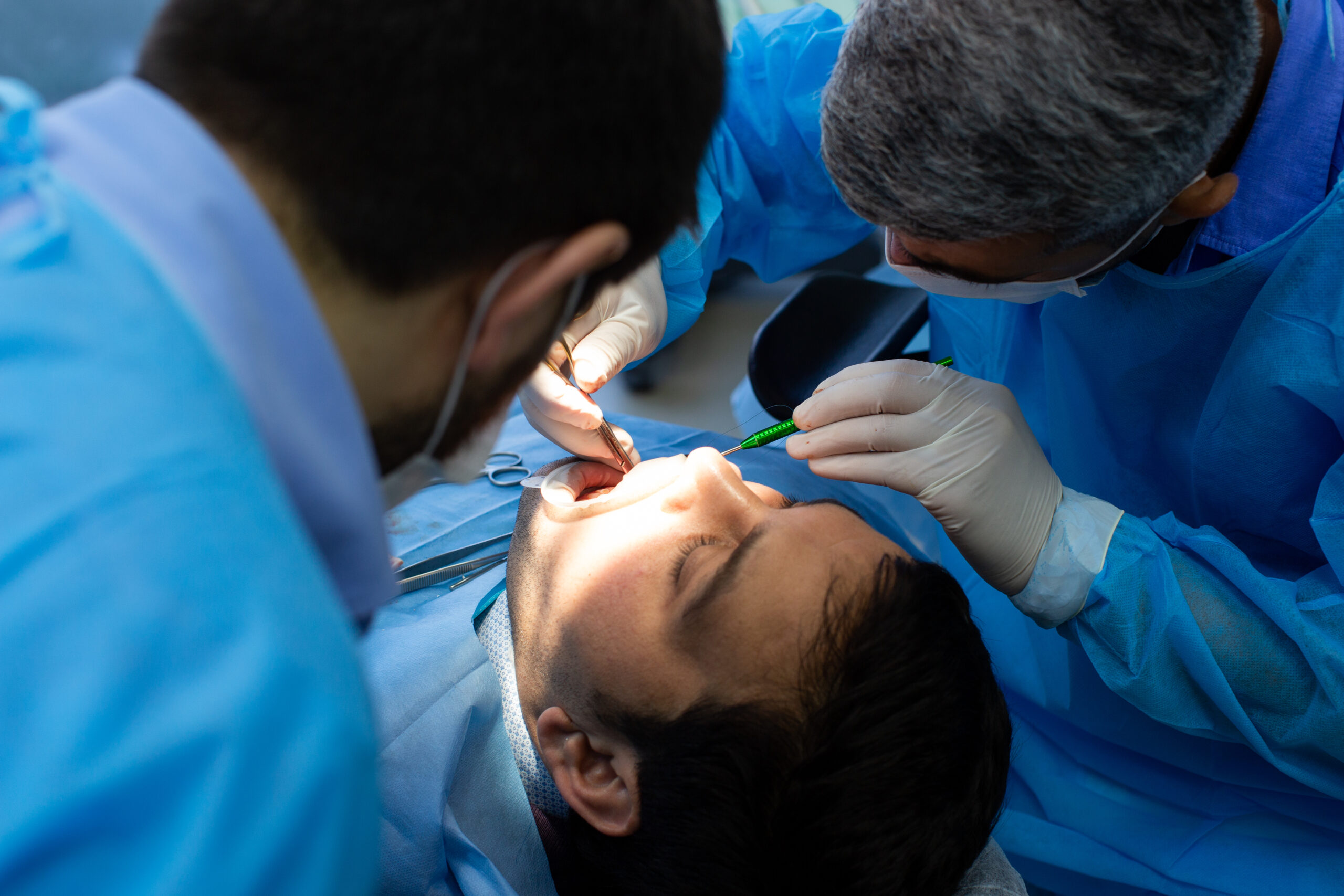
Look, nobody loves the idea of dental surgery. But placing an implant is usually done under local anesthesia. Most people say it’s more comfortable than they expected.
Here’s how it usually goes:
- First, you get a consult. Some X-rays and scans so the dentist knows what they’re working with.
- Next comes the implant itself. The dentist puts the titanium post into your jawbone.
- Then you heal; this part can take three to six months.
- Last, they put on the abutment (that connects the post to the crown) and then the crown itself.
It does take some time, but if you’re patient, the end result is worth it.
Living with Implants
After all is said and done, the most common thing people tell us is, “I forget it’s even there.” And that’s exactly the point.
Eat what you want. Brush and floss your teeth like normal. There’s nothing to take out at night, no gloppy adhesives, nothing to soak. No clicking sounds or slipping. That “normal” feeling makes a huge difference, especially for people used to the hassle of dentures.
What About Your Confidence?
Missing teeth mess with way more than your chewing. They hit your self-esteem, social life, and even the way people see you in a work setting. People get self-conscious. Some stop smiling, avoid photos, or hold back in conversations.
Riverpark dental implants bring smiles back, but honestly, that confidence boost is the real win. It’s hard to put a price on what it feels like to walk into a room relaxed and smiling again.
Does Insurance Cover Implants?
That’s tricky. Some dental insurance still treats Riverpark dental implants as “cosmetic” and barely helps with the bill. But things are shifting, more plans are being pitched in, and you can find savings plans or financing options.
At Clove Dental Riverpark, our team helps patients figure out what their plan will cover and what payment options are available. Don’t let insurance confusion get in your way; there’s usually a path forward.
Final Thoughts
Dental implants aren’t the cheapest solution at first, but when you look at the whole story, they stand out for longevity, keeping your jaw healthy, looking and feeling natural, and letting you just enjoy life without worry. If money, nerves, or confusion have held you back, the best move is just sitting down with a dentist you trust.
At Clove Dental Riverpark, we lay out the facts so you can make the right call for you. We’ve seen Riverpark dental implants turn lives around, not just with a better smile but with genuine confidence and comfort. And if you want that for yourself, we’re here to help you every step of the way.