
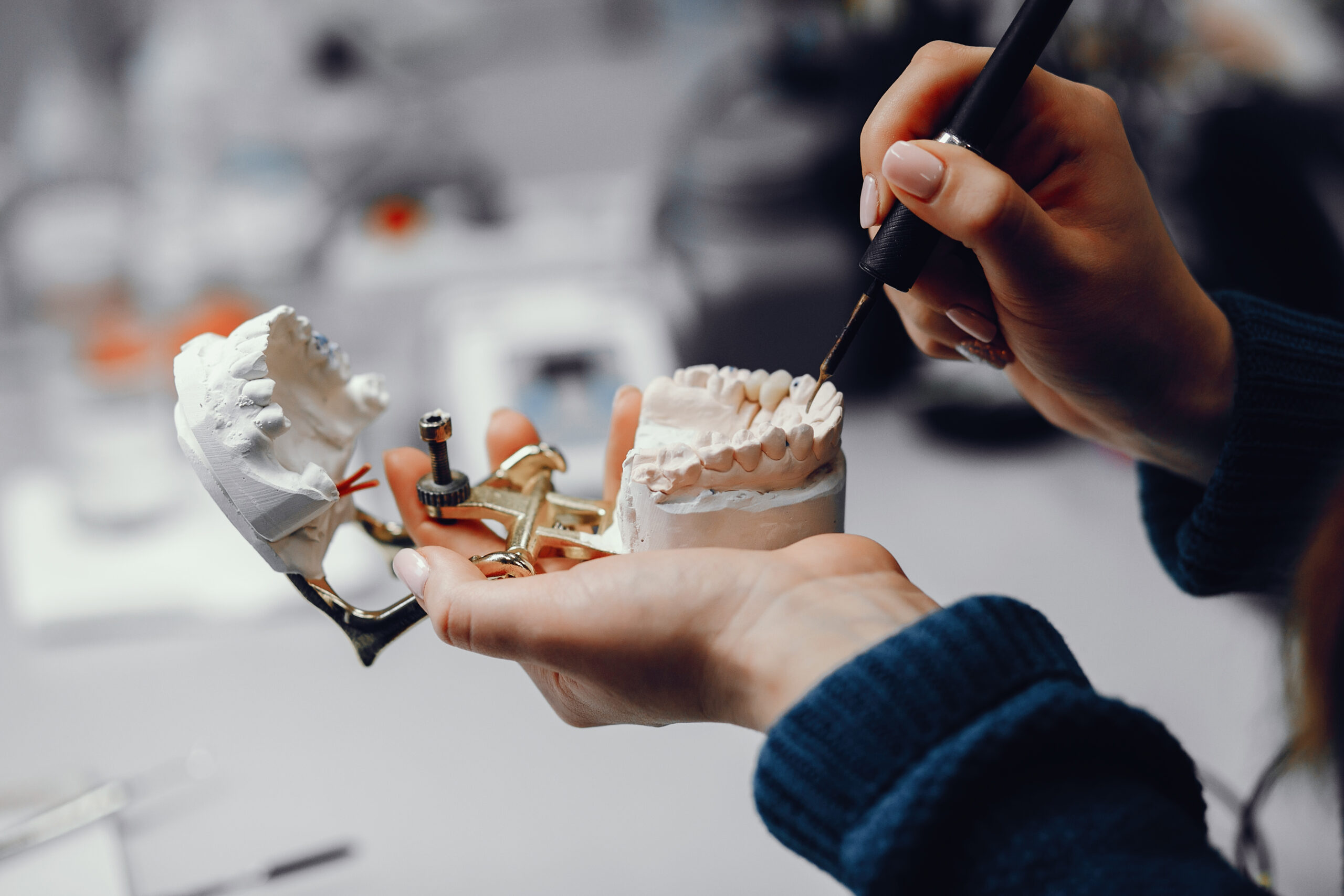
A dental bridge should be designed to be stable, natural and durable.
So when something begins to feel foreign, such as a slight action, pain or stuck food, it can be perplexing. Is it usual, or is something wrong?
The fact is, though well-done dental bridges in Riverpark may have some problems over time. The trick is to know what those issues entail and how they tend to be resolved.
What “Failure” Actually Means for a Dental Bridge
Not all failures imply that the bridge cannot be utilized at all.
In most situations, the problems of dental bridges in Riverpark begin small. It could be-
- A loose feeling
- Some slight pain during chewing.
- Alterations in the feel of your bite.
They are usually preliminary indications not the last word. A majority of the issues can be rectified provided that they are dealt with at an early stage.
Why Dental Bridges Can Develop Problems
A bridge is supported by the teeth and gums that are surrounding it.
As time goes by, the support to your mouth can be influenced. Dental bridges in Riverpark are prone to common causes of problems, including-
- Daily wear and tear.
- Bite-alignment changes.
- Gum health issues
Even minor changes can affect the fitting and working of the bridge.
The Most Common Issue: Loosening
A loose bridge is one of the most common issues.
This normally occurs when cement that joins the bridge becomes weakened. It does not necessarily imply that the structure is damaged, it may simply require re-cementing.
When you find that your dental braces in Riverpark are in motion, you should not overlook this. A loose bridge may provide an entry point to bacteria under the bridge resulting in more complications.
Decay Under the Supporting Teeth
It is a less apparent yet more grave concern.
The teeth holding the bridge (also known as abutment teeth) may develop decay over time, unless it is hard to clean around the bridge.
When such occurs, dental bridges in Riverpark might not feel too bad initially but its foundation becomes weaker and weaker.
The early appearance of the disease enables the treatment before the bridge is severely affected.
Bite Changes and Pressure Problems
Your bite is not something unchanging, but that which develops with time.
When your bite moves out of place, it might cause an unequal load on the bridge. This can lead to-
- Discomfort while chewing
- More wear on areas.
- Emphasis on supporting teeth.
When this happens, dental bridges in Riverpark might require modification, as opposed to replacement.
Gum Issues Around the Bridge
Healthy gums are essential for a stable bridge.
In case recession or gum inflammation occurs, it may influence the position of the bridge. You might notice-
- Sensitivity around the bridge.
- Food becomes trapped more easily.
- A slight gap appearing
These problems have been identified in dental bridges in Riverpark and can be usually addressed through proper care and early intervention.
Fracture or Damage to the Bridge
Bridges are not indestructible as they are strong.
The bottom line is that a bridge material may chip or crack over time or because of too much force. This is less frequent but it does occur with dental bridges in Riverpark particularly when there is grinding or high pressure of biting.
The solution can either be repair or replacement depending on the level of extent of the problem.
How Dentists Fix These Problems
What is needed depends on the cause not necessarily the symptom.
In the case of dental braces in Riverpark, fixes can be common and they are-
- Re-cementing a loose bridge.
- In supporting teeth, treatment of decay.
- Bending the bite to create a more balanced bite.
- Replacement of the bridge in case of extensive damage.
The majority of the problems can be dealt with without necessarily having to go back to the drawing board, particularly when the problems are detected in time.
When a Bridge Needs Replacement
Sometimes, repair isn’t enough.
In the case of too compromised supportive teeth or a bridge that is seriously damaged, replacement can prove to be the superior choice.
Modern dental bridges in Riverpark are made to become more precise and durable than ever.
How Clove Dental Riverpark Approaches Bridge Care
At Clove Dental Riverpark we are more concerned with keeping things working, rather than repairing what is wrong.
In Riverpark, dental bridges, our strategy will include-
- Frequent checkups to detect the initial signs.
- Well defined cleaning and maintenance instructions.
- Precise modifications prior to the escalation of problems.
We hope to lengthen the life of your bridge, and keep it comfortable and firm.
Conclusion
A dental bridge may last several years but, just as any dental procedure, it will not stand still.
The dental bridge problems in Riverpark usually begin small and could be easily corrected once they are taken care of early. It could be an oversized fit, a bite problem, or just a form of underlying decay, but in most cases there is a simple solution.
In case something does not feel right, then it is worth having something examined. A little rearrangement today will put off a larger trouble tomorrow and will keep your bridge running the way it ought to.