
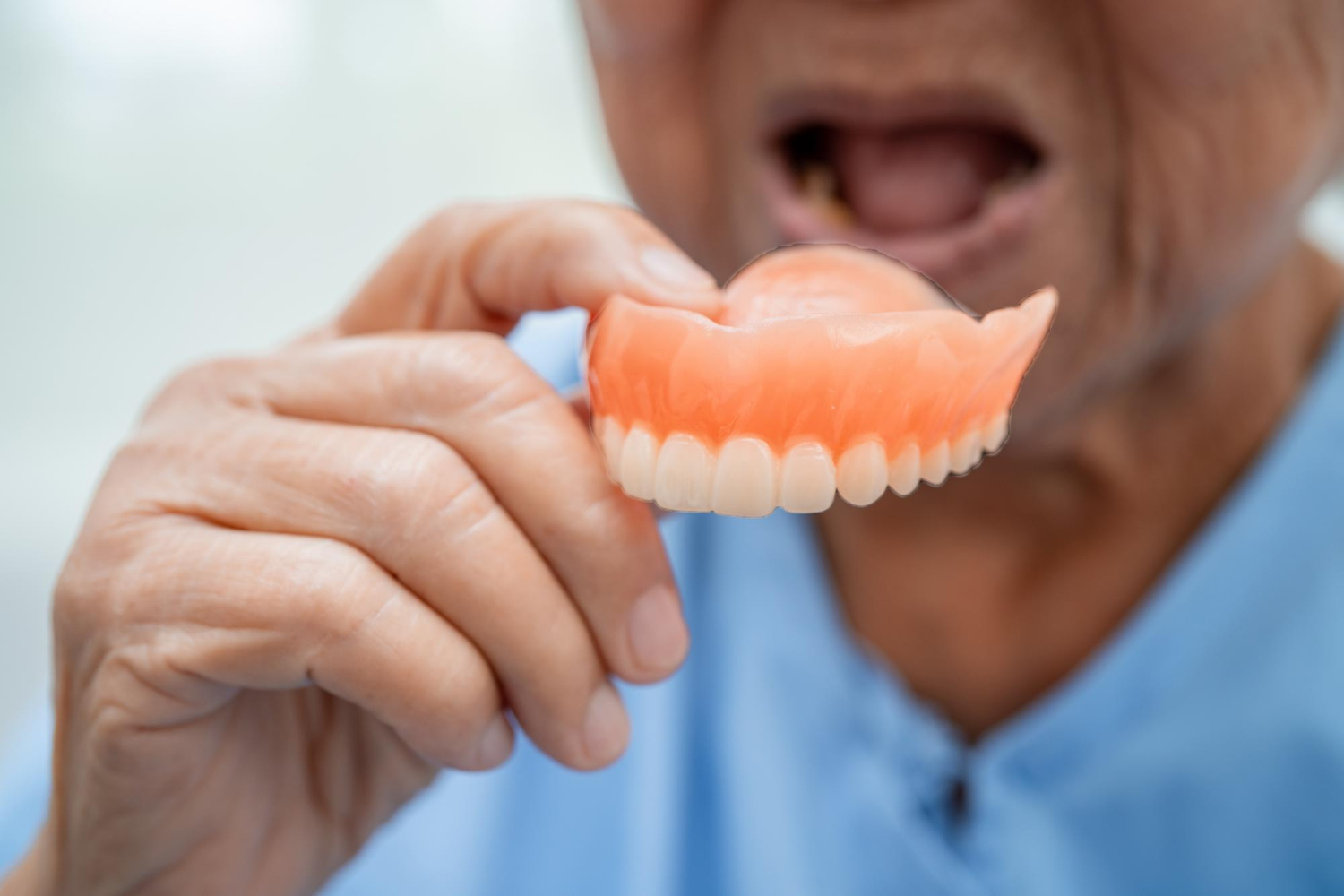
That first meal with a new partial denture rarely goes the way anyone expects. Bread sticks a little differently, an apple feels harder to bite into than it used to, and chewing on one side suddenly feels easier than the other for no clear reason.
None of this means something’s wrong. It just means your mouth is learning a new rhythm, and that adjustment period is one of the most common conversations we have with patients getting partial dentures in Riverpark for the first time.
Why Eating Feels Strange Before It Feels Normal
A partial denture rests differently against your gums and remaining teeth than natural teeth ever did, and your tongue, cheeks, and jaw all need time to figure out this new setup. Muscle memory built over decades doesn’t disappear overnight, but it doesn’t take as long to relearn as most patients fear either.
Give it a few weeks of regular use, and the strangeness fades far more than people expect going in. This is a stage nearly every patient with partial dentures in Riverpark goes through, and it passes faster than the first week suggests.
Start Smaller Than You Think You Need To
One habit that helps more than people realize: cutting food into smaller pieces than you would with natural teeth, at least early on.
Smaller bites reduce pressure on any one spot and give your bite time to adjust gradually rather than all at once.
Patients who skip this step and jump straight back into eating exactly as before often struggle longer than those who ease in with smaller portions for the first couple of weeks.
The Foods That Take the Longest to Get Comfortable With
Sticky foods like caramel or soft bread can pull against a partial denture in ways that feel unfamiliar. Very hard foods, think whole nuts or hard candy, put concentrated pressure right where a denture connects to your gums and remaining teeth.
Neither category is off-limits forever. They just tend to be the last foods people fully relax around, often only after several weeks of adjusting to everything else first.
Chewing Evenly, Even When It Feels Easier Not To
Here’s something rarely mentioned in denture guides: favoring one side while chewing feels natural at first, especially if one side feels more secure than the other.
Over time, though, that habit puts uneven pressure on your jaw and can make the imbalance worse rather than better.
Making a conscious effort to chew evenly on both sides, even when it feels slightly awkward early on, helps your bite settle into a more comfortable, balanced pattern faster. This is one of the smaller habits that makes the biggest difference for patients wearing partial dentures in Riverpark long-term.
Temperature Matters More Than Most Patients Expect
Very hot food or drinks can feel different against a partial denture compared to natural teeth, since the material doesn’t transmit temperature quite the same way gum tissue and natural enamel do. This isn’t dangerous, just an adjustment worth knowing about ahead of time so it doesn’t catch you off guard during a meal.
A Few Practical Habits Worth Adopting Early
- Chew slowly during the first few weeks rather than rushing through meals.
- Alternate sides deliberately instead of favoring whichever feels more secure.
- Cut firmer foods into smaller pieces before eating them.
- Keep water nearby to help move food around comfortably while chewing.
These small habits add up, and most patients stop thinking about them consciously within a month or so.
When Eating Discomfort Signals a Fit Problem
Most early awkwardness fades as your mouth adjusts, but consistent pain in one specific spot, or a denture that shifts noticeably every time you chew, points toward something worth checking rather than pushing through.
Patients wearing partial dentures in Riverpark sometimes assume ongoing discomfort is just part of the process, when a quick adjustment could solve it far sooner than waiting it out. Bringing it up early keeps small fit issues with partial dentures in Riverpark from turning into bigger ones later.
How Long the Adjustment Really Takes
Most patients notice real improvement within two to four weeks of consistent, everyday use. A few need a bit longer, especially if their partial denture replaces several teeth at once rather than just one or two.
Patience during this stretch pays off, since the mouth genuinely does adapt with enough regular practice.
Getting Comfortable for the Long Run
At Clove Dental Riverpark, we walk every patient through what to expect during this adjustment period rather than leaving them to figure it out alone through trial and error.
Eating comfortably with partial dentures in Riverpark is absolutely achievable, it just takes a little patience and a few adjusted habits along the way. Once your mouth settles into the new rhythm, most patients find themselves eating the same foods they always enjoyed, without giving their dentures a second thought.