
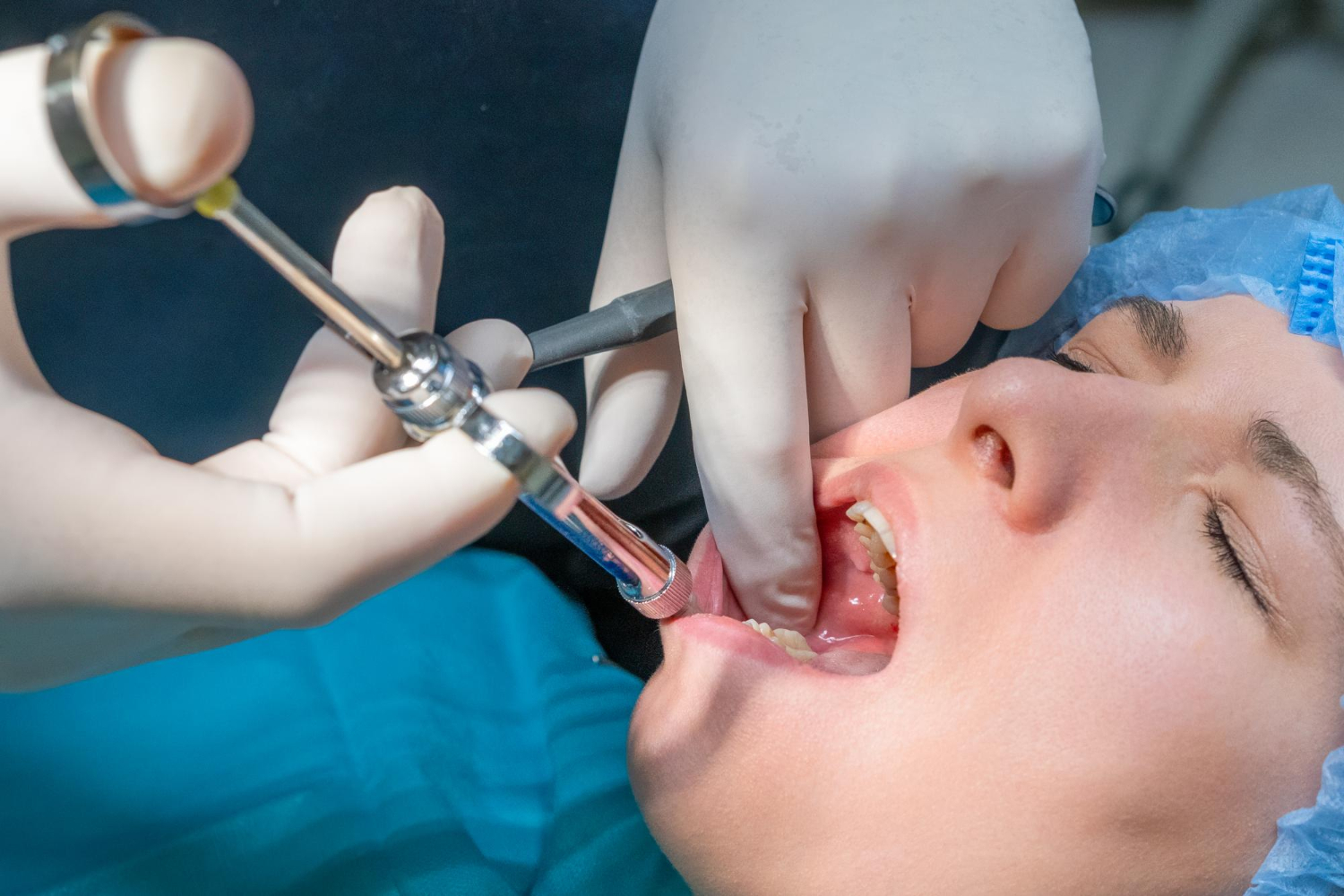
Nobody expects to hear “we need to remove a tooth first” during a braces consultation. Most patients walk in expecting brackets, wires, or aligner trays, not a conversation about pulling a healthy tooth out of the way.
It sounds counterintuitive at first, removing something to make room for straightening everything else, but there’s real logic behind it. A tooth extraction in Riverpark before orthodontic treatment isn’t common for every patient, but when it comes up, there’s usually a clear reason sitting right behind the recommendation.
Why Crowded Mouths Sometimes Need More Than Just Wires
Braces and aligners are excellent at shifting teeth into better positions, but they can’t create space that simply isn’t there. When a jaw is significantly smaller than the number of teeth trying to fit inside it, something has to give.
Wires can only pull teeth so far before the movement starts working against itself, pushing roots into positions that cause bigger problems down the line. This is exactly the situation where a tooth extraction in Riverpark gets discussed as part of the bigger treatment plan, not as an afterthought.
The Math Behind Tooth Size and Jaw Space
This part rarely gets explained clearly, but it comes down to simple measurement. Orthodontists measure the total width of all the teeth and compare that number against the available space in the jaw.
When the numbers don’t match up, even by a small margin, that gap has to be closed somehow. Sometimes it’s closed through careful expansion of the jaw itself. Other times, removing one or two teeth is the more predictable, longer-lasting solution.
Which Teeth Usually Get Considered First
Premolars are the teeth most often discussed in these conversations, mainly because removing them creates useful space without disrupting how a smile looks or functions once treatment finishes.
Front teeth almost never come up in this discussion, since those are the teeth doing the most visible work in a finished smile. When a tooth extraction in Riverpark becomes part of an orthodontic plan, it’s almost always these less visible teeth doing the heavy lifting behind the scenes.
What Changes in the Treatment Timeline
Adding an extraction into the plan does shift the timeline slightly. There’s a short healing period before braces or aligners can fully engage that space, usually just a couple of weeks. After that, treatment moves forward largely the same way it would otherwise, just with more room to work with. Patients often assume this step adds months onto their overall treatment, but in most cases, it barely changes the bigger picture.
The Alternative Nobody Loves: Forcing Teeth Into Tight Spaces
Skipping a necessary extraction doesn’t make the space problem disappear. It just forces teeth into positions where roots sit closer to the surface of the jawbone than they should.
Over time, this can lead to gum recession, uneven wear, or teeth that look straight initially but slowly shift back once treatment ends. A tooth extraction in Riverpark, when genuinely needed, prevents this exact outcome by giving the whole arrangement enough room to settle properly the first time.
How We Decide If Extraction Is the Right Call
We never treat this as a default step. Every case gets measured individually, comparing tooth size, jaw width, and how much movement the treatment plan requires. If expansion or careful spacing can solve the problem without removing a tooth, that route comes first. Extraction only enters the conversation when the numbers genuinely don’t work out any other way.
Questions Worth Asking If Extraction Comes Up
- Which specific tooth is being recommended, and why that one?
- Would expanding the jaw be a realistic alternative first?
- How much will this shift my treatment timeline?
- What does healing look like before braces or aligners continue?
A good answer to each of these should feel specific to your mouth, not like a generic explanation copied from patient to patient.
Making Peace With an Unexpected Recommendation
At Clove Dental Riverpark, we understand this isn’t the conversation most patients expect walking into an orthodontic consultation. We take the time to walk through the actual measurements and reasoning behind any recommendation, rather than just stating that it’s needed and moving on. A tooth extraction in Riverpark tied to orthodontic planning is about setting up a result that holds up years after the braces come off, not just checking a box during treatment.
Final Thought
Patients who go through this step almost always say the same thing once treatment wraps up: the extra room made everything else fall into place more predictably.
A tooth extraction in Riverpark done for orthodontic reasons isn’t about losing something. It’s about making sure everything left behind has enough space to stay exactly where it belongs.