
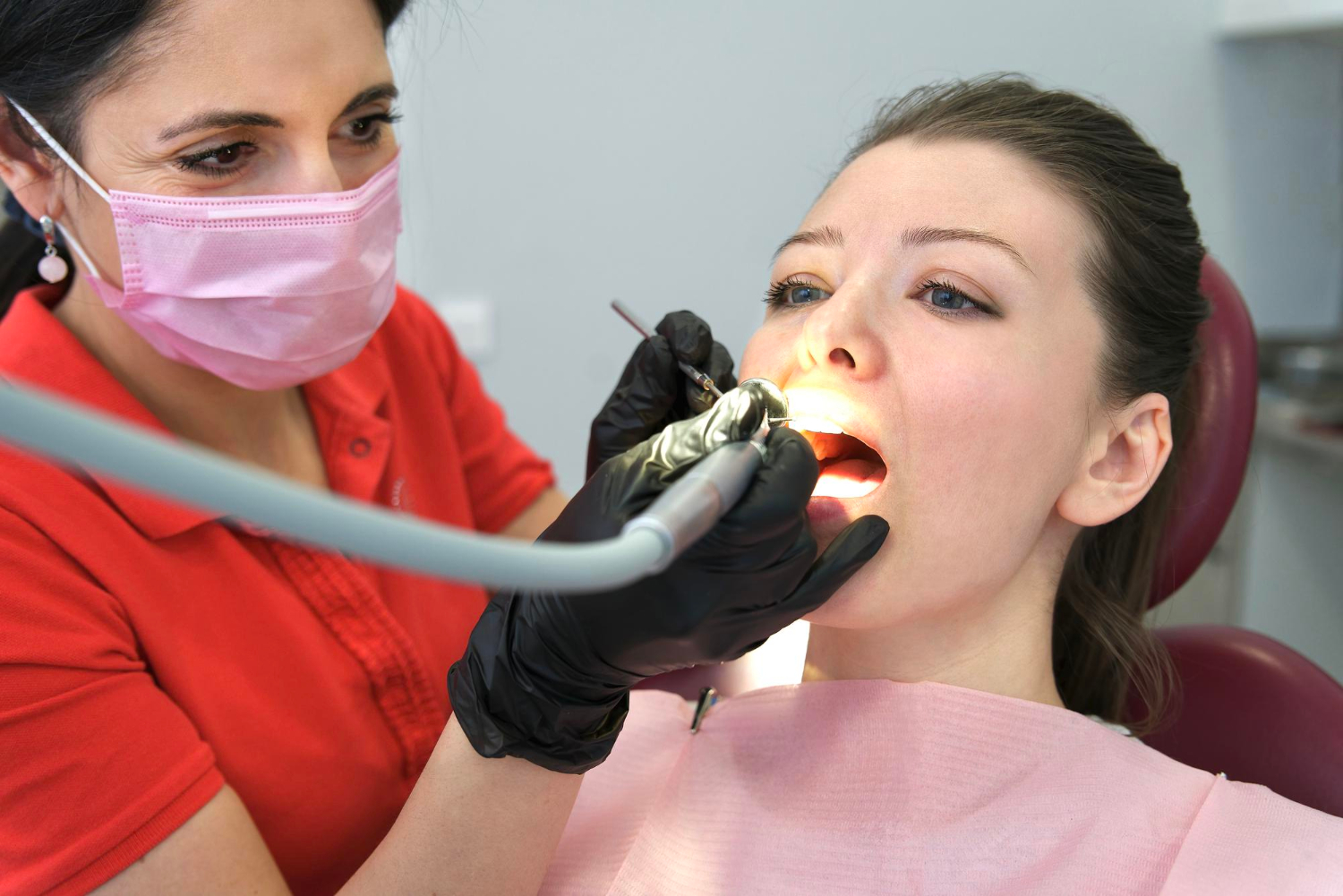
You leave the office feeling fine, maybe a little numb, and by dinner that same tooth is reacting to your soup like it’s never felt heat before.
That moment catches almost everyone off guard. Sensitivity after a filling is common, but knowing where “common” ends and “something’s wrong” begins isn’t something most patients are told before they walk out the door. We wanted to lay that out clearly, since questions about dental fillings in Riverpark almost always circle back to this exact concern.
Why a Tooth Reacts at All After Getting Fixed
It sounds backwards. The problem got fixed, so why does the tooth suddenly feel more alive than before? The nerve inside a tooth gets irritated any time work happens nearby, even when that work is exactly what the tooth needed.
Drilling, shaping, and placing new material all send small signals to the nerve, and it takes time for that nerve to settle back down. This is completely expected with dental fillings in Riverpark and doesn’t mean the work was done poorly.
The First 48 Hours: What Counts as Normal
Right after treatment, a tooth reacting to cold drinks, sweet foods, or biting pressure is expected. Some patients notice a dull throb for the first day, especially if the filling was deep or close to the nerve.
This window is short, and for most people, sensitivity fades noticeably within two days. If you’re comparing notes with a friend who also got dental fillings in Riverpark around the same time, don’t worry if your timelines look slightly different. Nerves settle at their own pace.
Cold Sensitivity vs. Heat Sensitivity: They Mean Different Things
This distinction rarely gets explained, but it matters. Cold sensitivity that fades quickly after the drink or food is gone usually points to a nerve that’s simply irritated and healing.
Heat sensitivity, especially if it lingers well after the hot food or drink is finished, can be a different story. Lingering heat sensitivity sometimes signals the nerve is under more stress than expected, and it’s worth mentioning at a follow-up rather than waiting it out.
Biting Pressure That Feels “Off”
Sometimes a filling sits just slightly higher than it should, even by a fraction most people would never notice consciously. Your bite is surprisingly sensitive to tiny changes like this, and a filling that’s slightly too high can create pressure sensitivity every time you chew.
This is one of the easiest fixes in the world, usually a quick adjustment, but patients often live with it for weeks assuming it’s just part of healing. We see this often enough with dental fillings in Riverpark that it’s one of the first things we check at any follow-up.
When Sensitivity Signals Something Beyond the Filling Itself
Occasionally, sensitivity that doesn’t improve points to something the filling didn’t fully address. Decay can sometimes extend closer to the nerve than expected, and a nerve that’s more irritated than usual may need more time or a different kind of care to calm down. This isn’t common, but it’s exactly why we ask patients to check back in if sensitivity is still strong after a week or two.
A Simple Way to Track What You’re Feeling
Patients dealing with sensitivity from dental fillings in Riverpark often describe the feeling but skip over the details that actually help a dentist figure out what’s going on.
Keeping a quick mental note of your symptoms helps more than people realize:
- Does cold sensitivity fade within a few seconds, or does it linger?
- Is pressure only uncomfortable when biting directly on that tooth?
- Has the sensitivity gotten better, stayed the same, or gotten worse over a week?
- Is there any throbbing that shows up without any trigger at all?
Bringing these details to a follow-up visit gives your dentist a much clearer picture than a general “it still hurts a little.”
What We Check During a Follow-Up
When patients come back with lingering sensitivity, we look at bite alignment first since it’s the easiest thing to correct. From there, we check whether the filling material has settled properly and whether the nerve simply needs more time.
Most cases of sensitivity tied to dental fillings in Riverpark resolve with either a small bite adjustment or a little patience, and very few need anything beyond that.
Why We’d Rather You Ask Than Wait It Out
At Clove Dental Riverpark, we’d rather hear from a patient who’s unsure than have someone quietly live with discomfort for weeks.
Sensitivity that lingers past a couple of weeks, especially heat sensitivity or throbbing without a trigger, deserves a quick look rather than more waiting.
Fillings are meant to make a tooth feel better, not become a new source of worry, and a short follow-up visit is usually all it takes to get things back on track.