
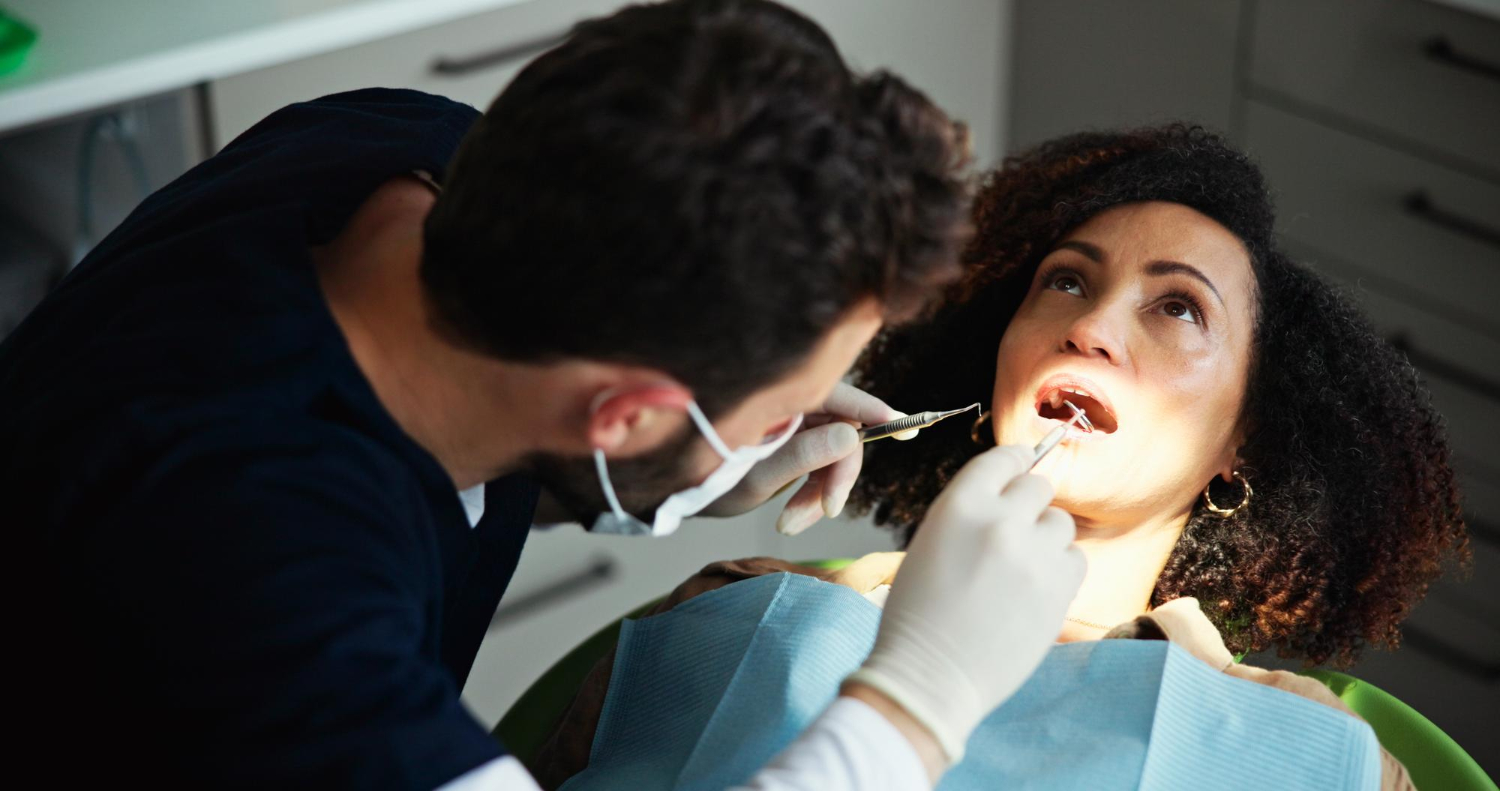
Pregnancy comes with a long list of things to track: vitamins, appointments, cravings you never saw coming. Your gums usually aren’t on that list, and that’s exactly the problem. A little blood in the sink while brushing gets waved off as “just one of those pregnancy things,” when sometimes it’s the first sign that gum disease is starting to take hold.
We hear this surprise a lot at Clove Dental Riverpark. Expecting mothers come in assuming their gums have nothing to do with the rest of what’s going on in their body, and then we explain how tightly connected the two actually are.
Hormones shift, blood flow changes, and gum tissue starts reacting to plaque in a way it never used to. Once you know what’s behind that, the whole thing makes a lot more sense.
Your Gums Are Working Off New Rules Now
Here’s the short version: pregnancy hormones send more blood to your gum tissue, and that tissue gets touchier. The same small amount of plaque that used to sit there quietly can suddenly cause swelling or bleeding it never caused before. Nothing about your brushing changed. Your gums did.
That’s why some women notice gum trouble for the first time while pregnant, even with a lifetime of healthy checkups behind them. Catching it early beats waiting to see if it fades on its own.
“Is Bleeding Just Normal Now?”
We get asked this constantly, and the honest answer is: sometimes, but not always. A bit of bleeding tied to hormones is common enough. Bleeding paired with any of these, though, deserves a second look:
Gums that look red or puffy. Tenderness every time you brush. Breath that stays off no matter what you try. Gums that seem to be pulling back from your teeth a little.
None of that automatically means gum disease has set in. But it’s worth bringing up at your next visit instead of hoping it sorts itself out by delivery.
Morning Sickness Does More Than Ruin Your Morning
This part surprises almost everyone. After being sick, stomach acid is still sitting on your teeth and gums. Brush right away and you end up rubbing that acid across already-irritated enamel and tissue, which makes things worse, not better.
Rinse with plain water instead, or water with a small pinch of baking soda mixed in. Give it about half an hour, then brush like normal. It’s a small tweak, but it genuinely protects your gums during a stretch when they’re already under extra strain.
The Snacking Nobody Warns You About
Cravings are real, and grazing throughout the day becomes normal fast. There’s nothing wrong with the snacking itself. The issue is that bacteria get more chances to feed when food is sitting on your teeth for hours at a stretch.
Sticky or sugary snacks are the worst offenders here, letting plaque build up faster than usual, which raises your odds of gum disease if cleaning doesn’t keep pace. Reaching for crunchy fruit, veggies, or cheese, and rinsing with water afterward, helps close that window.
Small Changes Matter Before They Turn Painful
Most people assume gum problems announce themselves with pain. They usually don’t, not at first. Early gum disease tends to be quiet, which is exactly why it sneaks past people. Watch for bleeding that’s becoming more frequent, swelling that hangs around for days, gums feeling puffy rather than firm, breath that won’t quit, or teeth that feel just slightly different when you bite down.
Catch these early and they’re simple to manage. Wait, and they’re not.
Yes, You Can Still See Your Dentist
Some women push off dental visits during pregnancy, worried something might not be safe. For routine care, that worry usually isn’t necessary. Regular exams and cleanings let us track how your gums are doing and catch anything developing before it turns into a bigger issue.
Just let us know how far along you are, along with any changes to your health or medication. That’s really all we need to plan your visit around your comfort.
Small Tweaks, Not a Whole New Routine
You don’t need to reinvent your entire oral care habits during pregnancy. Brush twice daily with a soft brush, floss carefully, drink enough water and rinse before brushing . Keep your regular checkups on the calendar and that’s it. Small, steady habits carry a lot of weight here.
After the Baby Arrives
For most women, gum sensitivity eases once hormones settle back down after delivery. But if gum disease actually developed during those months, it doesn’t just disappear because your hormones did. A follow-up visit confirms whether your gums have genuinely healed or still need attention.
The Bottom Line
Pregnancy touches more of your body than most people expect, gums included. Paying attention early, keeping up small home habits, and sticking with your checkups makes a real difference.
At Clove Dental Riverpark, we’d rather you bring up bleeding or swelling the moment you notice it than wait for your next scheduled visit. Getting ahead of gum disease now means one less thing to worry about once your new baby arrives.