
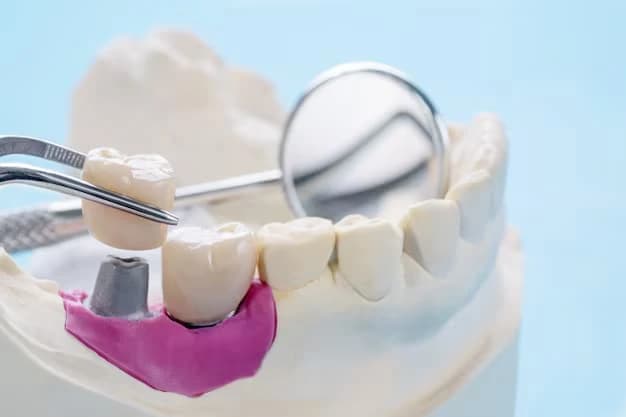
Do you think getting a crown means the tooth is “fixed for good,” no matter how you use it? That’s a common assumption, but it’s not entirely true. A crown restores strength and function, but how long it lasts depends heavily on bite force and daily habits. Understanding how wear and tear affect crowns helps you protect that investment and avoid unexpected problems later.
This guide looks at dental crowns in Riverpark through a practical lens: how real-life habits influence their lifespan and what dentists pay attention to before and after placement.
Why Bite Force Matters More Than Materials Alone
Crowns are designed to handle normal chewing. But not everyone chews the same way. Some people apply much stronger forces, especially on back teeth. Others clench or grind without realizing it.
Even the best-made dental crowns in Riverpark can wear down or crack early if bite forces are too high. That’s why dentists don’t just focus on restoring the tooth; they focus on how that tooth functions within your bite.
How Dentists Evaluate Bite Before Placing a Crown
Before recommending a crown, dentists look closely at how your teeth come together. Uneven pressure can cause one tooth, or crown, to take on more force than it should.
We check for:
- Signs of grinding or clenching
- Flattened or worn tooth edges
- Cracks or stress lines
- Jaw muscle tension
These clues help determine how much stress a crown will face once it’s placed. For patients receiving dental crowns in Riverpark, this evaluation helps prevent premature damage.
Grinding and Clenching: The Biggest Threat to Crowns
Nighttime grinding is one of the most common reasons crowns fail early. Grinding creates side-to-side forces that crowns aren’t designed to absorb repeatedly.
Over time, this can lead to:
- Chips or fractures in the crown
- Loosening of the crown
- Damage to the tooth underneath
That’s why dentists often recommend night guards for patients with crowns. Protecting dental crowns in Riverpark from grinding significantly extends their lifespan.
Chewing Habits That Speed Up Wear
Some habits feel harmless, but they place extra stress on crowns.
Chewing ice, hard candies, pens, or even opening packages with your teeth puts sudden force on the crown. While one incident may not cause damage, repeated stress adds up.
Patients who want their dental crowns in Riverpark to last are often surprised by how much small habits affect long-term results.
Why Back Teeth Crowns Wear Faster
Molars do most of the heavy lifting when you chew. Because of this, crowns on back teeth experience more force than front teeth.
This doesn’t mean back crowns fail quickly, but it does mean they need careful design and follow-up. Dentists adjust bite contacts so pressure is spread evenly, reducing the risk of cracks or loosening.
The Role of Follow-Up and Maintenance
Crowns aren’t “set and forget” restorations. Regular dental visits help catch early signs of wear before they turn into bigger problems.
Small bite adjustments or early intervention can protect dental crowns in Riverpark from unnecessary stress. Skipping checkups often means missing the chance to fix minor issues early.
At Clove Dental Riverpark, we monitor crowned teeth over time to make sure they continue to function comfortably and predictably.
What Patients Often Overlook After Getting a Crown
Once pain is gone and chewing feels normal, it’s easy to forget about the crown. But changes in bite, stress levels, or habits can affect it years later.
Jaw tension, new grinding patterns, or even dental work on nearby teeth can shift how force is distributed. Staying aware helps ensure dental crowns in Riverpark stay protected long-term.
How Long Crowns Can Really Last
With good care, crowns often last 10 to 15 years or longer. Longevity depends less on luck and more on bite balance, habits, and maintenance.
Patients who protect their crowns, manage grinding, and attend regular visits tend to get the longest life from their restorations.
Final Thoughts
Crowns are strong, but they’re not immune to wear. Bite force, grinding, and daily habits all play a role in how long they last.
When planned carefully and cared for properly, dental crowns in Riverpark can provide reliable function for many years. Understanding how your habits affect them is one of the best ways to protect your smile and avoid repeat treatment.