
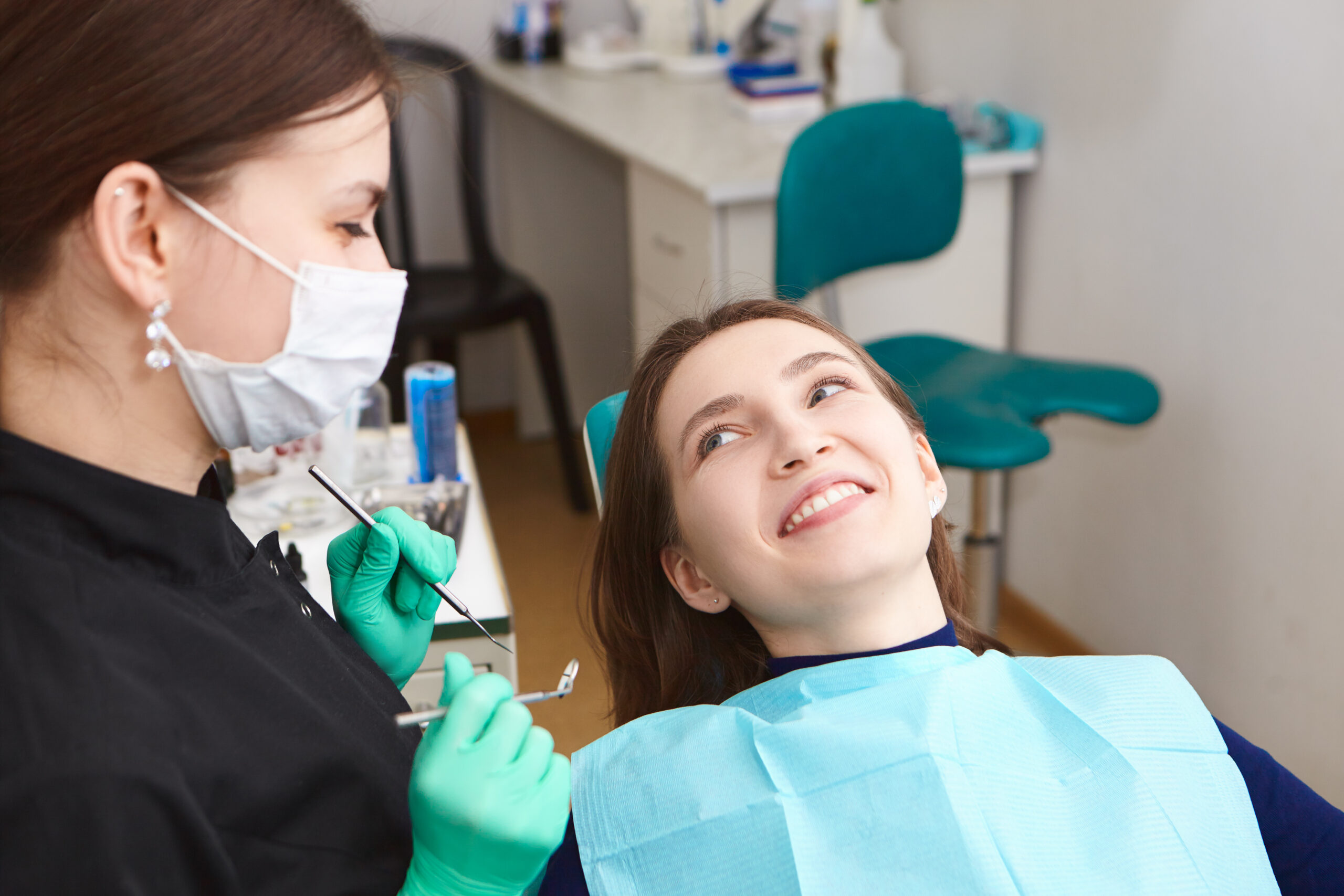
“Every six months” is the advice most people follow without thinking.
But the fact of the matter is this there is no one schedule that fits all. Depending on your oral health, habits and level of risk, the right frequency will vary. There are those that can visit less frequently, and those who require more attention to avoid complications.
When you want to know the correct way to approach dental in Riverpark, it is actually your personal risk level that will dictate how frequently you should attend.
Why the “Every 6 Months” Rule Isn’t for Everyone
The six-month rule does not have a strict form but is a guideline.
It is effective with individuals having-
- Healthy gums
- Low cavity risk
- Regular oral care.
Yet such is not the case with all. In the case of dental in Riverpark, you need not come as per a predetermined schedule of your visit.
What Determines Your Risk Level
Dentists do not suggest the frequency of visits randomly.
The level of your risk is determined by a number of factors, such as-
- Past history of cavities or gum disease.
- Food and sugar consumption.
- Oral hygiene habits
- Smoking or lifestyle.
- Diseases that impact oral health.
In assessing dental in Riverpark, it is these factors that aid in establishing the determination of whether you should visit it regularly or with increased frequency.
Low-Risk Patients: Less Frequent Visits May Work
In case your oral health is stable, you do not have to visit the dentist regularly.
Low-risk patients typically-
- Rarely get cavities
- Have healthy gums
- Have good daily care.
In the cases of these people, a visit every six months (or a little bit more) can suffice.
Nonetheless, as much as this is the case, dental checkups in Riverpark remain essential to ensure that any early developments are detected before they can be observed.
Moderate-Risk Patients: Staying Consistent Matters
A good number of individuals are in an intermediate category.
You might require additional attention when-
- You have fillings done before.
- You have some intermittent tenderness.
- You have poor oral health.
In such situations, it is significant to adhere to a regularity of schedule, which in most instances is about every six months. Missing visits may permit little problems to grow into big problems.
Consistency is one of the most significant differences to patients who are keeping their teeth clean with dental in Riverpark.
High-Risk Patients: More Frequent Visits Are Necessary
There are patients that require closer attention.
You can be in an increased risk group when you-
- Have gum disease
- Experience frequent cavities
- Smoke or dry mouth.
- Suffers some medical conditions affecting oral health.
Such patients might require the visits periodically of 3-4 months rather than bi-annual.
The shorter period in dental in Riverpark is effective in averting disease progress and minimizes the necessary complexity in treatment in the future.
What Happens When Your Schedule Doesn’t Match Your Risk
There can be problems associated with an imbalance between your risk level and frequency of visits.
When you come too seldom-
- Tartar and plaque accumulate.
- Minuscule holes become bigger.
- Gum inflammation worsens
Conversely, frequent visits, which are unnecessary, might not be of extra benefit.
The aim of dental in Riverpark is not increased visits, but the right visits at the right time.
How Your Schedule Can Change Over Time
Your level of risk is not determined.
Lifestyle, health or habit changes may have an impact on your oral health. For example-
- Better hygiene can help decrease your risk.
- It may be enhanced by new habits or conditions.
This implies that you should be flexible in your visit schedule. What was a good strategy last year might not be the optimal strategy today.
In planning dental in Riverpark, it is advisable to reevaluate regularly to ensure that your care remains in tandem with your needs.
Conclusion
How frequently you are supposed to visit a dentist does not have a universal answer.
The appropriate schedule is not a strict rule, but your personal risk level. Others are fine with biannual checkups and others require closer attention to keep ahead of issues.
When you maintain your oral health with dental in Riverpark, it is not only a matter of showing up but also making sure that you show up at the right time according to your needs.
An individualized care plan will ensure that you avoid issues at an early stage and stay confident in ensuring oral health in the long-term.