
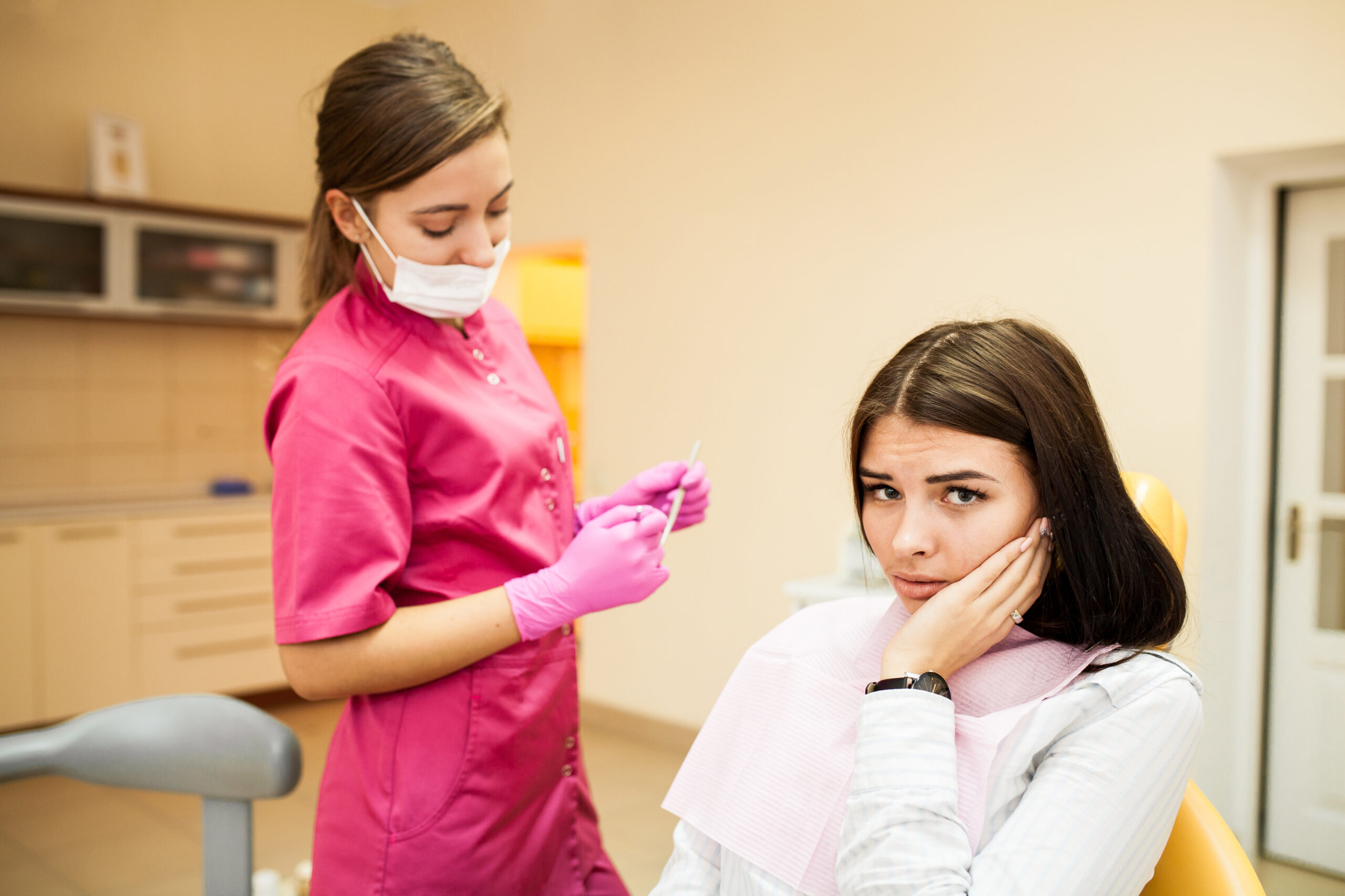
For many years, smoking and alcohol were considered primary factors in the development of oral cancer, leading to the perception that only older adults will be affected. However, this trend has recently changed!
Today, an increasing number of younger adults who have never used tobacco products are diagnosed with oral cancer. A key reason for this change is the growing link between oral cancer and herpes simplex virus type 16 (HPV).
As awareness about oral cancer increases, many more people are including regular oral cancer screenings as a part of their routine dental care. At Clove Dental Riverpark, we encourage all our patients to stay informed and think about getting tested for oral cancer even if they feel healthy.
What Is HPV and How Is It Linked to Oral Cancer?
HPV is a very common virus. It affects various areas of the body depending on its strain. Although certain strains have no adverse effect, one particular strain (which increases the risk of contracting cancer) has been closely associated with recent diagnoses of oral cancers (primarily cancers located in the throat and back of the mouth).
Cancers associated with HPV can occur in individuals who meet the following criteria-
- Do not smoke.
- Drink alcohol moderately or not at all.
- Maintain good overall health.
Therefore, screening for oral cancers will no longer be limited to only those individuals with other traditional risk factors.
Why Younger Adults Are at Risk
The increase in oral cancer from HPV has changed the way we assess risk.
A younger adult will generally not perceive their risk for HPV as they do not fit into the traditional demographic. However, HPV can remain in the body for years without showing any signs.
Why this is a problem-
- Early signs of the illness may be overlooked or missed.
- Symptoms may surface after the condition has turned serious or too advanced to be treated properly.
- A diagnosis may be made too late to alter the course of treatment due to a lack of regular checkups.
Thus, younger patients have begun to take oral cancer testing seriously and are using it as a means of prevention against the disease.
Signs That Are Easy to Miss
Oral cancer is painless at the beginning of the illness. For that reason, in many cases the first signs of the illness may be subtle or easily missed.
- The following are some early symptoms you may experience-
- An ulcer that will not heal.
- A lump or an area that thickens in the mouth.
- Trouble swallowing
- Hoarseness that does not go away.
- White or red patches inside the mouth.
At the onset of the illness each of the above may seem insignificant; thus the importance of oral cancer screening, it will discover cancer before it is discovered by other means.
What Happens During an Oral Cancer Screening?
An oral cancer test is briefly completed during the examination of your teeth and is non-invasive.
During the test, we will perform the following-
- We will examine the inside of the cheeks and the tongue.
- Check the gums and lips for any signs of unusual spots, lumps or any other types of tissue changes.
- Examine the area around your throat.
The actual time of performing the test will be minimal and will not cause any pain.
At Clove Dental Riverpark all patients will receive oral cancer tests as a regular part of their visit for a dental examination.
Breaking Common Misconceptions
There are many common misconceptions regarding oral cancer.
“I’m too young to be at risk.”
Oral cancers caused by HPV are changing the age distribution of those diagnosed with oral cancer and, therefore, younger adults are more likely to need to be screened.
“I don’t smoke, so I don’t need screening.”
Oral HPV is a risk factor for oral cancer regardless of other risk factor status.
“If there’s no pain, everything is fine.”
Oral cancer is often asymptomatic in the early phases, which is why screening for oral cancer is necessary.
Our understanding of these points will assist patients in making better decisions about their treatment.
A Preventive Approach to Oral Health
Preventive dental care aims at preventing dental disease rather than treating the disease once it has occurred.
Screening for oral cancer is an easy way to promote early detection of oral cancer and provide peace of mind.
At Clove Dental Riverpark, we will work with you to prevent future issues from developing through ongoing dental examinations and oral cancer screenings.
Final Thoughts
The association of HPV with oral cancer has resulted in a change to the screening protocol for oral cancer. More awareness has been raised regarding younger adults being a risk group when it comes to oral cancer.
Routine screening for oral cancer is a simple but effective method for early detection of oral cancer. In less than a few minutes, you can make a significant impact on your health.
If you have not had a cancer screening in the last year, consider adding an oral cancer screening to your next dental visit. Being educated and prevention-oriented is the best way to improve your overall health and well-being.