
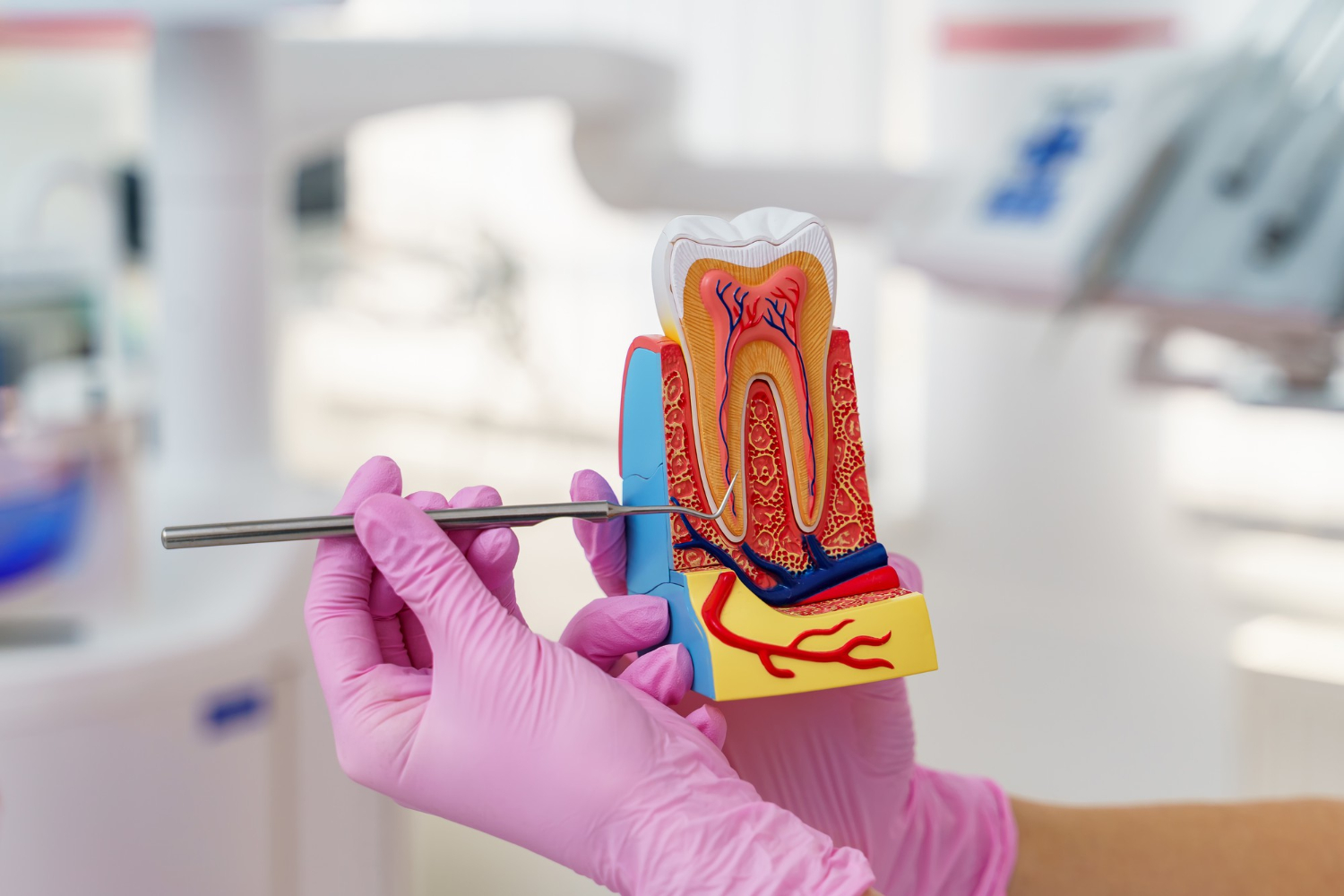
The procedure gets all the attention, the fear, the questions, the nervous jokes from friends who’ve never had one. But almost nobody talks about what life really looks like a month later, six months later, a few years down the road.
That gap in information leaves plenty of patients wondering whether their treated tooth is supposed to feel different forever, or whether things eventually go back to something close to normal. Root canal treatments change a tooth in some real ways, but far less dramatically than most people brace themselves for.
The Sensation Question Everyone Wonders About
Here’s something rarely explained clearly beforehand: a tooth that’s had the nerve removed can’t feel hot or cold the way it once did, since that nerve tissue is gone. What surprises people is how little this changes daily life.
You’ll still feel pressure, still notice if something feels off, still sense when you’re biting down too hard. The temperature sensation disappears, but the tooth doesn’t become numb or disconnected from everything else happening in your mouth.
Chewing: Closer to Normal Than People Expect
Once healing wraps up, chewing on a treated tooth feels remarkably close to how it felt before, especially once a crown is placed to protect the remaining structure.
Root canal treatments preserve the natural tooth rather than replacing it, which means the bite, jaw alignment, and overall chewing pattern stay consistent with what your mouth is already used to. Most patients stop thinking about which tooth was treated within a few months of full healing.
Why a Crown Often Follows, and What That Means Long-Term
A tooth that’s undergone root canal treatment often becomes more brittle over time, since it’s lost some of its internal moisture and structural support. Hence, a crown frequently gets placed afterward, adding protection against cracking or fracturing under everyday chewing pressure.
Patients sometimes assume the crown is optional or purely cosmetic, when really it’s protecting the long-term durability of root canal treatments that would otherwise be vulnerable to breaking down sooner.
Does the Tooth Ever Feel “Different” Long-Term?
Some patients report a subtle awareness of the treated tooth for the first several weeks, a sense that something happened there even without pain. This fades for the vast majority of people as healing completes and the surrounding tissue settles.
A small percentage of patients notice mild sensitivity to pressure occasionally, particularly during allergy season or sinus pressure changes if the treated tooth is an upper molar, since root tips sometimes sit close to sinus cavities.
How Long Does a Treated Tooth Really Last?
With a properly placed crown and reasonable care, root canal treatments hold up for decades in many cases, sometimes lasting a lifetime.
Regular checkups easily figure out any developing issues early, whether that’s a crack forming, gum recession exposing the root, or subtle signs of reinfection that occasionally develop years down the road.
Longevity depends heavily on how well the crown fits and how consistently checkups continue afterward.
Habits Worth Adjusting Going Forward
- Avoid chewing ice or extremely hard foods directly on the treated tooth.
- Mention any grinding habits to your dentist, since pressure adds up over years.
- Keep up with regular checkups even if the tooth feels completely fine.
- Don’t ignore new sensitivity that develops well after initial healing finishes.
What a Setback Really Looks Like
Occasionally, root canal treatments need a second look years later if infection returns or a crack develops that wasn’t there initially. This doesn’t mean the original treatment failed.
It simply means the tooth’s situation changed over time, the same way any part of the body can develop new issues long after an initial fix. Catching this early helps you get simpler treatment than waiting until pain returns in full force.
Why We Stay Involved Long After Treatment Ends
At Clove Dental Riverpark, we don’t consider root canal treatments finished the moment the procedure wraps up. Ongoing checkups matter just as much afterward, tracking how the crown holds up and whether the surrounding tissue continues healing as expected years down the line.
Conclusion
Life after a root canal looks remarkably similar to life before it, just without the pain that likely brought you in for treatment in the first place.
Root canal treatments aim to preserve a natural tooth for the long haul, and for most patients, that’s exactly what ends up happening, quietly, without much thought given to it again.