
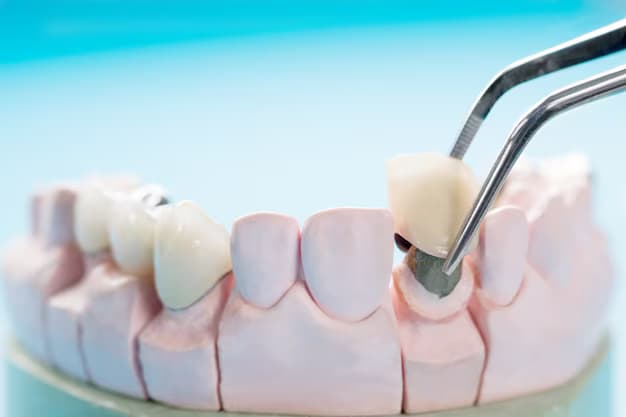
Are you being told you need a crown when you expected a simple filling instead? That moment often catches people off guard. After all, if a cavity can be filled, why go further? The answer usually has less to do with the size of the cavity and more to do with the strength of the tooth itself. When a tooth can no longer handle everyday pressure, a filling may not be enough to protect it.
This is where Riverpark dental crowns come into the conversation, not as an upgrade, but as a way to keep a weakened tooth from breaking down further.
Why Tooth Strength Matters More Than Cavity Size
Many people assume fillings fail only when cavities are large. In reality, fillings fail when the remaining tooth structure can’t support chewing forces. Back teeth, in particular, absorb a lot of pressure every day.
When too much natural tooth has been lost, placing another filling can be risky. Sometimes, a tooth can crack around a filling and hurt. If that happens, Riverpark dental crowns can help. They cover the whole tooth and make it stronger.
Signs a Tooth Is Too Weak for a Filling
Weakness isn’t always obvious. A tooth can feel fine until it suddenly breaks. Dentists look for subtle warning signs that suggest a filling won’t last.
A common sign that a tooth may need more work is a large existing filling. If the tooth has been mostly repaired, there may not be enough natural tooth left to support another filling. Each time a filling is replaced, more of the tooth is removed, which increases the risk of it breaking.
Another sign is cracks. Some cracks are visible, while others only show up on imaging or during testing. Even small cracks can spread under chewing pressure. Covering the tooth with a crown helps stop those cracks from growing.
Sensitivity when biting or releasing pressure can also point to internal stress within the tooth. This often means the tooth is flexing more than it should, something a filling can’t fix.
Why Back Teeth Are Crowned More Often
Molars and premolars handle most of the chewing load. Because of this, they’re more likely to fracture when weakened.
Even moderate decay in a back tooth can justify Riverpark dental crowns, especially if the tooth has already had dental work in the past. The goal isn’t to over-treat, it’s to prevent sudden failure that leads to pain or extraction.
What Happens If a Weak Tooth Only Gets a Filling
Sometimes patients choose a filling hoping to avoid a crown. While that may work short-term, it often leads to problems later.
Weak teeth restored with fillings are more likely to:
- Crack suddenly while eating
- Break below the gumline
- Require emergency visits
- End up needing extraction
Crowns act like a protective shell, spreading chewing forces evenly. That protection is why Riverpark dental crowns are often the more conservative choice in the long run.
How We Decide Between a Filling and a Crown
The decision isn’t based on cost or convenience. It’s based on function.
We look at:
- How much natural tooth is left
- Whether the tooth has cracks or stress lines
- The location of the tooth
- Your bite and chewing habits
- Past dental history
At Clove Dental Riverpark, we explain this decision clearly so patients understand why a crown is recommended, not just that it is.
Why Waiting Can Make the Problem Worse
A weakened tooth rarely gets stronger on its own. Over time, small fractures grow, and pressure causes damage that can’t be repaired.
Placing Riverpark dental crowns earlier, before the tooth breaks, often saves time, money, and discomfort. Once a tooth fractures badly, options become more limited.
How Crowns Help Teeth Last Longer
Crowns restore both strength and shape. Once placed, the tooth can handle normal chewing without flexing or cracking.
With proper care, crowned teeth can last many years. Brushing, flossing, and regular checkups play a big role in protecting both the crown and the tooth underneath.
Final Thoughts
Being told you need a crown doesn’t mean your tooth is failing; it means it needs support. Fillings work well for small, stable problems. But when a tooth is structurally weak, a crown is often the safest way to protect it.
Riverpark dental crowns help keep your teeth safe. They stop bigger problems before they happen.