
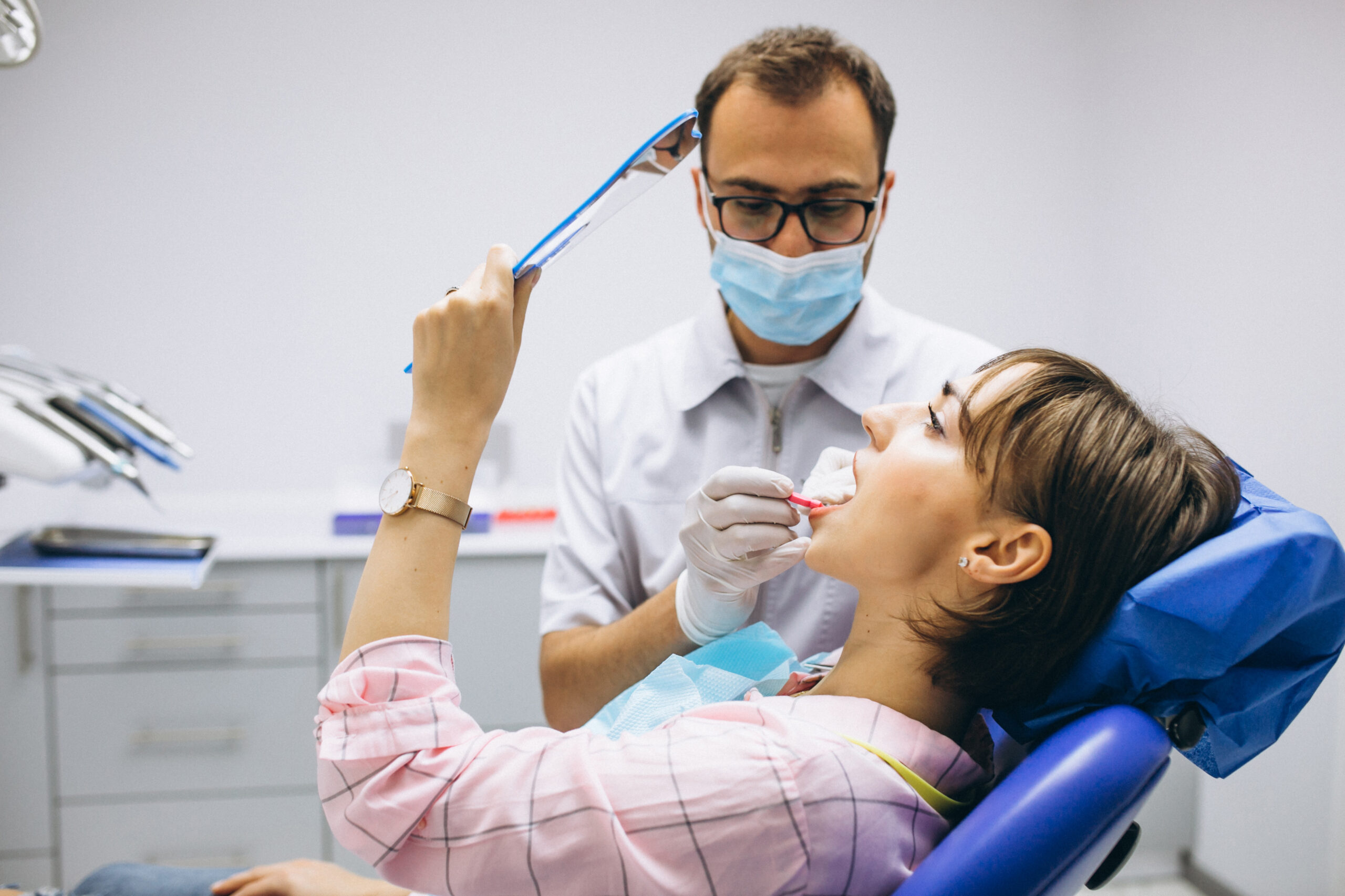
Regular tooth cleaning is one of the simplest habits that protects a senior’s smile, comfort, and overall health. As we age, the mouth changes. Gums can pull back, teeth can wear down, saliva can decrease, and plaque can harden faster than it did years ago. These changes make it easier for the disease to start and harder to fight the infection.
Because of this, the importance of tooth cleaning for seniors is not only about fresh breath or a brighter smile. It is about avoiding tooth loss, controlling painful gum infection, lowering the chance of costly dental emergencies, and staying able to eat well. Tooth loss has been linked to problems with chewing, nutrition, speech, and even self-confidence.
Good home care matters, but home care alone is not always enough for older adults. Plaque can quickly harden into tartar (also called calculus). Tartar sticks to the teeth and gums and cannot be removed by normal brushing or flossing. It must be removed by a dental professional during a cleaning.
Below, we will look at the two main reasons regular cleanings matter so much for older adults and why they should never be skipped.
How Aging Changes the Mouth
Higher Risk of Gum Disease and Tooth Loss
Gum disease happens when plaque bacteria collect at the gumline and cause swelling, bleeding, and infection in the gums and bone that hold teeth in place. If gum disease is not treated, it can destroy the structures that support the teeth and lead to tooth loss.
Why Do Seniors Face More Gum Problems?
With age, gums may naturally recede, exposing more of the tooth root. Roots are not protected by the same hard enamel that covers the crown of the tooth. That exposed root surface is softer and easier to damage with plaque acids, so it can develop decay faster.
Many adults over 60 also have old fillings, crowns, or bridges. These areas can trap food and plaque and are harder to clean at home. Older restorations can also create tiny ledges where bacteria settle, allowing gum infection to develop quietly until it becomes serious.
Gum disease is extremely common. Nearly half of U.S. adults over age 30 show signs of periodontal (gum) disease, and severe gum disease becomes more likely with age.
Why Tooth Loss Matters For Senior Health
When gum disease leads to loose or missing teeth, eating becomes harder. People may switch to softer, highly processed foods and avoid fruits, vegetables, and proteins that require chewing. Over time, that can harm overall health.
Tooth loss can also affect how clearly someone speaks and how confident they feel in social situations. These changes can reduce quality of life at a stage where comfort and independence should be high.
Dry Mouth, Medications, and Cavities
Dry mouth (xerostomia) is another major reason the importance of tooth cleaning for seniors cannot be ignored. Many common prescriptions for blood pressure, allergies, mood, and sleep reduce saliva flow. Less saliva means the mouth cannot wash away food or neutralize acids as well as it used to.
Why Does Dry Mouth Raise Decay Risk
Saliva is nature’s protective rinse. When saliva drops, plaque bacteria feed on leftover sugars and produce acids that attack tooth surfaces and roots. This leads to cavities, even in people who never had many cavities before age 60.
Cavities on the roots of teeth are especially common in older adults and can spread quickly. Once a cavity forms, only a dentist can repair it. Brushing and flossing alone cannot reverse it.
Impact On Dentures And Gum Tissue
Dry mouth is not only a problem for people with natural teeth. It can also make it painful to wear full or partial dentures. Irritated tissue under a denture can lead to sores and infections if plaque and fungal buildup are not cleaned away on a routine basis.
How Regular Tooth Cleaning Protects Senior Health
Professional Cleanings Remove What Brushing Misses
Even with careful brushing twice a day and cleaning between teeth once a day, plaque can escape into spots most seniors struggle to reach. Over time, plaque hardens into tartar. Tartar locks in bacteria under the gumline, where it triggers chronic inflammation. Only a trained hygienist or dentist can remove tartar safely using scaling tools or ultrasonic instruments.
Why This Matters
When tartar is removed and the roots are smoothed, gums can heal and tighten back against the teeth. This lowers pocket depth (the space between tooth and gum where bacteria hide) and helps stop gum disease from getting worse.
During the same visit, teeth are polished to clear surface stains, and fluoride may be applied to strengthen enamel and exposed roots. That lowers the chance of new decay forming.
Cleanings Catch Problems Early
A cleaning visit is not “just a cleaning.” It is also a full-mouth check. At each visit, the dental team looks for bleeding gums, loose teeth, cracks in old fillings, sores, fungal infection under dentures, and signs of oral cancer. Many of these problems cause little or no pain in the early stages.
Link To Total Body Health
Ongoing gum inflammation has been linked with a higher risk for certain systemic conditions, including heart disease and diabetes. Managing gum health supports overall wellness, which matters even more for older adults who may already have chronic conditions.
Preventive cleanings also help avoid sudden dental emergencies like abscesses or broken teeth. For seniors, avoiding emergency dental pain means less stress, fewer hospital visits, and better daily comfort.
How Often Should Older Adults Schedule Cleanings?
Most seniors benefit from at least two professional cleanings per year. Many dentists still suggest a six-month schedule because this rhythm keeps tartar under control and allows the dental team to react to changes quickly.
When More Than Twice A Year Is Smart
Some seniors need cleanings every three to four months. This is especially true for people who smoke, have a history of gum disease, live with diabetes or heart disease, or have a lot of bridges, crowns, or implants that trap plaque. Frequent cleanings help protect those areas and keep gum pockets from getting deeper.
Even if a person wears full dentures, regular oral exams still matter. The dentist must check the fit of the denture, screen the soft tissues for sores or infections, and look for signs of oral cancer.
Daily Habits Between Visits
Between cleanings, seniors can protect their mouth by brushing with a fluoride toothpaste twice daily, cleaning between teeth once daily, sipping water often to ease dry mouth, and limiting sugary snacks and drinks. These habits slow plaque growth and support the gums until the next appointment.
Simple Takeaway
The importance of tooth cleaning for seniors is really about control: control of gum disease, control of decay, and control of quality of life. Small daily steps plus regular professional cleanings help most older adults keep their teeth for life.
Stay on Track With Our Dental Clinic
Our dental clinic welcomes older adults and focuses on gentle cleanings, clear guidance, and regular checkups that fit real health needs. We help remove tartar that brushing cannot reach, watch for early signs of gum disease, and keep you informed so you can stay comfortable, confident, and able to enjoy the foods you love.