
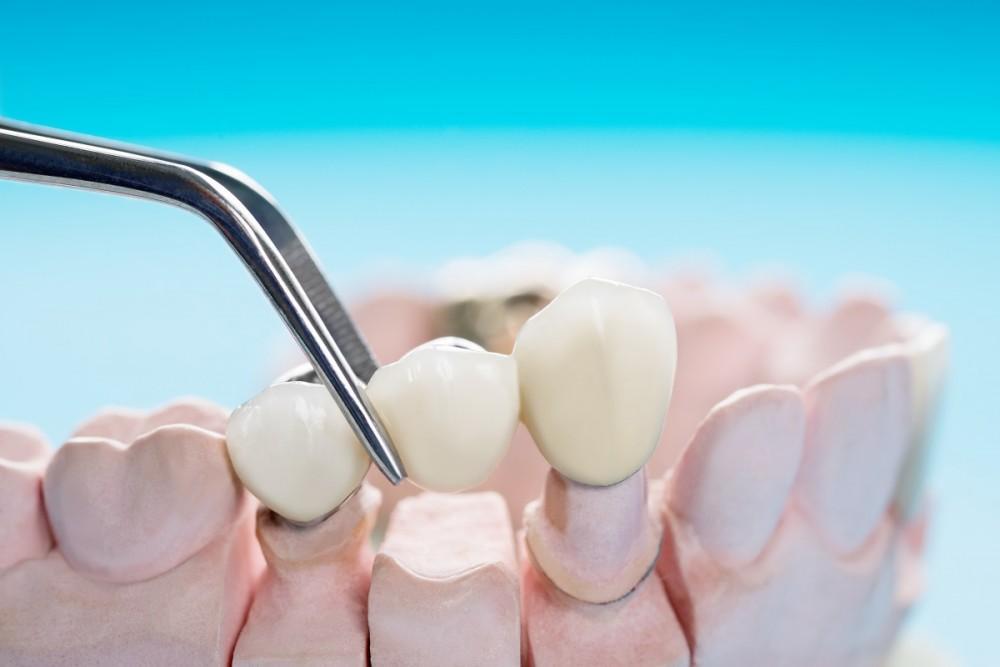
Are you wondering if a dental bridge is still a good idea?
You may be asking yourself, what are the things you should know before considering a dental bridge, especially when implants seem to be everywhere. Dental bridges were once the standard solution for missing teeth, and many patients still assume they’re the most straightforward option.
At Clove Dental Riverpark, we see a clear shift. Bridges are recommended far less often than they used to be, but they haven’t disappeared. The reason lies in long-term outcomes, not trends.
Things You Should Know Before Considering A Dental Bridge
Before choosing a dental bridge, patients need to understand that it is a tooth-dependent solution. A bridge relies on the neighboring teeth for support. Those teeth must be healthy, stable, and capable of carrying extra load for years.
This dependency is one of the most important dental bridge considerations. If the supporting teeth are compromised, the bridge may fail earlier than expected.
Why Dentists Now Recommend Bridges Less Often
Dentists recommend bridges less often because treatment philosophy has shifted toward preserving natural teeth. Bridges require reshaping adjacent teeth, even if they are otherwise healthy.
Over time, dentists observed that:
- Supporting teeth experience increased stress
- Decay or failure in one area affects the entire bridge
- Repairs are more complex than patients expect
These patterns explain the declining use of bridges in favor of independent tooth replacement options.
How Implants Changed The Decision-Making Process
Dental implants changed how dentists approach missing teeth. Unlike bridges, implants do not rely on neighboring teeth for support.
This difference matters because:
- Adjacent teeth remain untouched
- Bite forces are distributed more naturally
- Failure of one tooth does not affect others
As implants became more predictable, dentists began reserving bridges for narrower situations.
Why Bridges Are Still Used Today
Despite the decline, bridges are not obsolete. Dentists still recommend them when implants are not ideal.
Common situations include:
- Patients with insufficient bone for implants
- Medical conditions that complicate surgery
- Time-sensitive tooth replacement needs
- Cases where adjacent teeth already require crowns
In these scenarios, a bridge may still be the most practical solution.
The Hidden Maintenance Factor Patients Rarely Consider
One of the biggest dental bridge considerations is long-term maintenance. A bridge connects multiple teeth, which makes cleaning more complex.
Patients must be diligent about:
- Cleaning under the bridge
- Preventing decay on supporting teeth
- Monitoring gum health around the bridge
Poor maintenance is a leading cause of bridge failure, and a reason dentists hesitate to recommend them broadly.
Why Bridge Failures Affect More Than One Tooth
When a dental bridge fails, it often impacts multiple teeth at once. If decay or fracture develops in one supporting tooth, the entire bridge may need replacement.
This “all-or-nothing” risk is a major reason dentists carefully evaluate whether a bridge is worth placing.
How Bite Forces Influence Bridge Longevity
Bite pressure plays a critical role in whether a bridge succeeds. Dentists evaluate:
- How force is distributed across the bridge
- Whether the patient grinds or clenches
- Jaw movement during chewing
If bite forces are uneven, bridges may wear down faster than implants.
Why Bridges Feel Easier Upfront, But Harder Later
Bridges often feel like the simpler option at first. They usually require fewer visits and no surgery. However, over time, maintenance demands increase.
Dentists now look beyond short-term convenience and focus on:
- Longevity
- Repair complexity
- Overall impact on oral health
This long-term view has changed recommendation patterns.
When A Dental Bridge Still Makes The Most Sense
Even with alternatives available, bridges can be the right choice when:
- Adjacent teeth already need crowns
- Implant placement is not feasible
- Patient preferences align with bridge care
Understanding these boundaries helps patients make informed decisions instead of defaulting to outdated assumptions.
Why Riverpark patients are seeing fewer bridges today
Patients today ask more questions and expect long-term solutions. Dentists respond by recommending treatments that preserve tooth structure and reduce future complications.
Understanding things you should know before considering a dental bridge helps patients see why bridges are no longer routine, and why that shift often leads to better outcomes.