
Are you wondering why some dental crowns last decades while others fail quickly?
You may be asking, what is a tooth crown, and why two people can get crowns that perform so differently. One crown chips or loosens within a year, while another stays strong for over a decade. The difference often has nothing to do with luck or even materials.
At Clove Dental Riverpark, we see crown outcomes across the full spectrum. The patterns are clear, and they’re driven by timing, function, and how the tooth is managed before and after the crown is placed.
What Is A Tooth Crown?
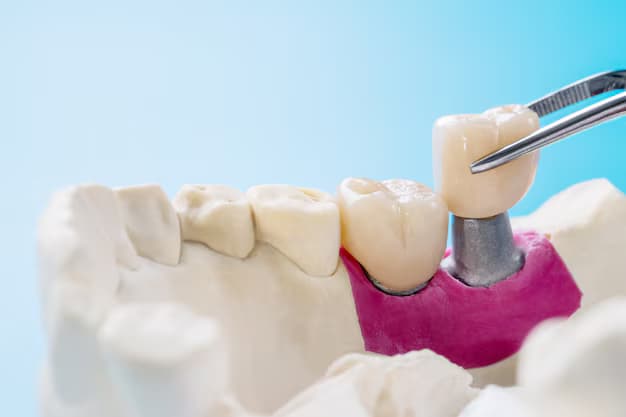
A tooth crown is a custom-made cap that covers a damaged or weakened tooth. It restores the tooth’s shape, strength, and ability to handle chewing forces. Dentists recommend crowns when a tooth is too compromised for a filling but still healthy enough to save.
So when patients ask what are tooth crowns, the simple answer is protection. But protection only works when the crown is placed under the right conditions.
Why Tooth Crown Lifespan Varies So Much
Most patients presume failure of crowns due to the material used. As a matter of fact, it is the surrounding factors that determine the lifespan of the crowns rather than the crowns themselves.
Crowns that fail early often share similar underlying issues:
- Excessive bite pressure
- Untreated grinding or clenching
- Inflammation under the crown
- Late placement after severe damage
These factors explain why some crowns fail in 18 months while others last 15 years.
How Bite Pressure Determines Crown Success
Every tooth experiences different forces. Back teeth absorb much higher pressure than front teeth. If a crown is placed on a tooth that already carries excessive force, failure becomes more likely.
Dentists evaluate:
- How teeth come together when biting
- Whether pressure is evenly distributed
- Signs of wear on surrounding teeth
Ignoring bite dynamics is one of the fastest ways to shorten tooth crown lifespan.
Why Timing Matters More Than Patients Realize
The earlier the crowns are placed, the less nerves are irritated or the cracks are deep, the longer they would last. By the time the treatment is conducted, the tooth below may have already deteriorated in case of a late treatment.
Late crown placement can lead to:
- Weak internal tooth structure
- Lingering inflammation
- Reduced ability to support the crown
This is why two crowns on similar teeth can have very different outcomes.
The Hidden Role Of Inflammation In Crown Failure
Inflammation doesn’t stop once a crown is placed. If the tooth or surrounding gum tissue is already inflamed, healing is slower and stability is reduced.
Chronic inflammation can:
- Dilute the fasteners on the crown.
- Raise the sensitivity and discomfort.
- Break down faster with time.
Inflammation control is one of the determinants of the tooth crown longevity.
Why Fit Matters More Than Appearance
An attractive and not perfect crown might not fit well, and it might break down prematurely. Minor cracks or irregularities of contact point induce stress at the time of chewing.
Poor fit can lead to:
- Micro-movement of the crown
- Cement breakdown
- Bacterial leakage
These issues often cause failure long before the crown reaches its expected lifespan.
Daily Habits That Shorten Crown Lifespan
Crowns are durable, but they are not indestructible. Certain habits dramatically increase wear and failure risk.
Dentists frequently see early crown failure linked to:
- Teeth grinding at night
- Chewing ice or hard foods
- Using teeth as tools
Patients are often surprised to learn that these habits matter more than crown material.
Why Some Crowns Fail Even When Materials Are Strong
Poor circumstances cannot be covered by strong materials. When a crown is built on a shaky base, it is always going to collapse in the future no matter how sophisticated the material may be.
This is why dentists focus on:
- Health of teeth prior to crowning.
- Balance of bite following placement.
- Such protective measures as night guards.
Planning is required to sustain longevity, not materials.
How Dentists Increase Crown Lifespan Today
Modern crown success comes from a systems-based approach. Dentists now focus on the entire mouth, not just the tooth being crowned.
This includes:
- Evaluating bite patterns
- Treating inflammation first
- Adjusting the bite after placement
- Monitoring wear over time
These steps explain why crown longevity has improved significantly in recent years.
Why Riverpark Patients See Longer-Lasting Crowns
The current generation of patients is more proactive and well informed. They treat more on the problems in advance and adhere to aftercare guidelines.
Understanding what is a tooth crown, and what affects its lifespan, helps patients protect their investment and avoid repeat treatment.